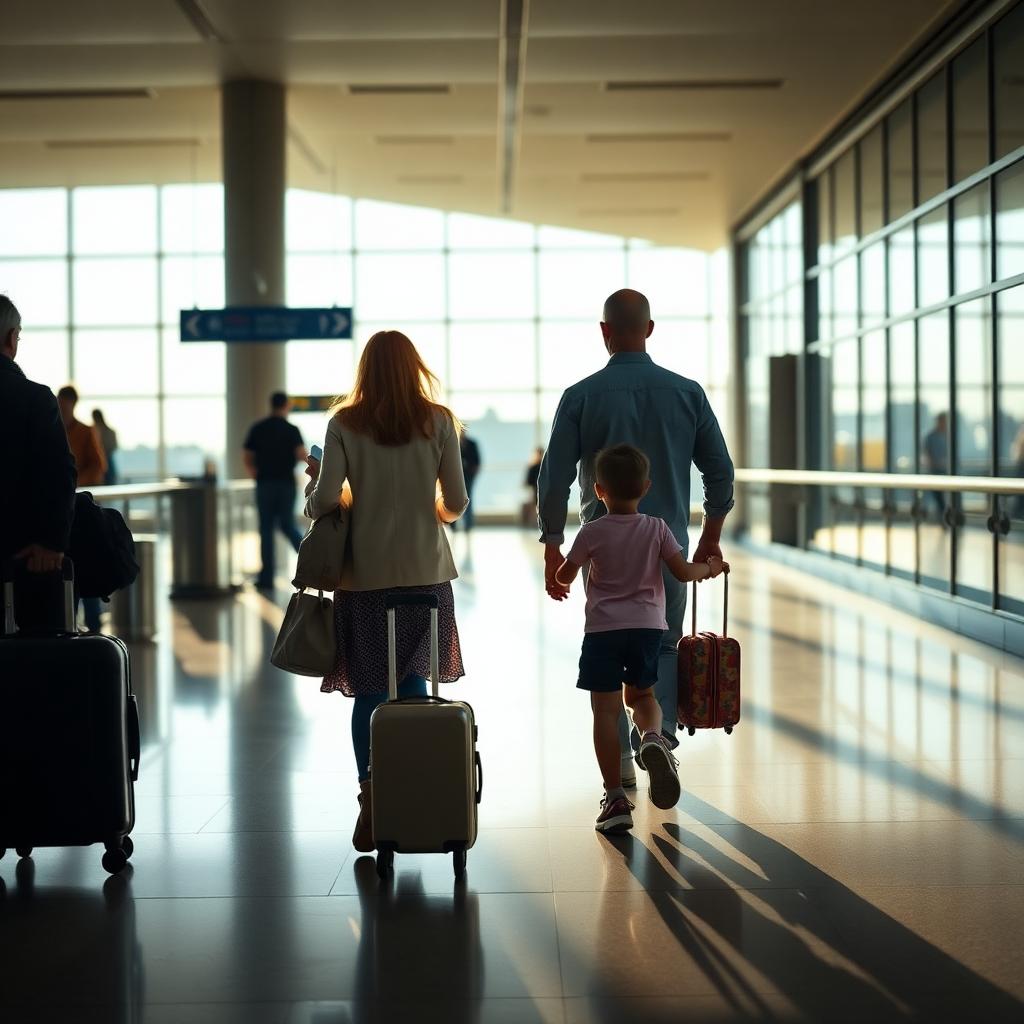
There are two categories of family-travel writing. The first is aspirational - sunset photos, matching outfits, no mention of the four hours between them. The second is horror - every misfortune presented as inevitable. Neither is useful. Family travel is a specific set of tradeoffs and a specific set of skills, and this guide is about both, in the order they actually matter to a family standing in an airport.
The age brackets change everything
There are three fundamentally different family-travel modes, and they map to age brackets. Infants (0-18 months) are portable but need equipment (stroller, car seat, bottles). Toddlers (18 months to 4 years) are the hardest - they're mobile, have opinions, but no impulse control. School age (5-12) is the golden window: children can walk, wait, and remember. Teens are almost adult travelers with different opinions. Before you plan any trip, look at your family's actual age brackets and adjust expectations. A great itinerary for a 7-year-old is a terrible one for a 2-year-old.
Choose the destination against the age, not the reverse
The mistake most new family travelers make is picking a destination first and forcing it to work. Better: pick against the ages. Under 3, prioritize direct flights under 6 hours, family-friendly accommodation with kitchens, and destinations with good pediatric care. Toddlers do well on beach trips, mountain lakes, and small towns where the pace is naturally slow. Ages 4-7 do well in destinations with strong sensory content (aquariums, castles, gardens). 8-12 opens up almost everywhere; this is the age where a family can take on Rome, Kyoto, or Iceland and everyone comes home glad.
The flight, honestly
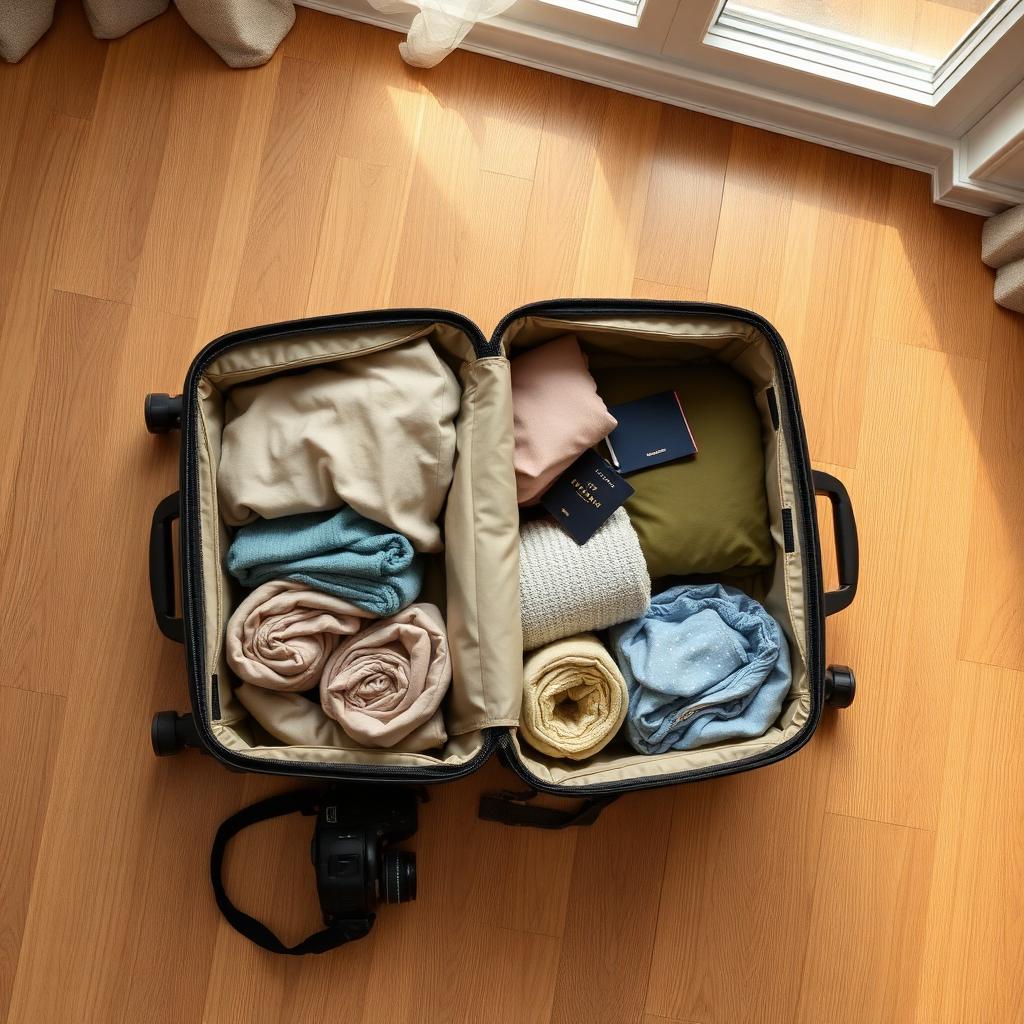
The flight is not the trip. Treat it as a self-contained ordeal and prepare with the intensity of a small military operation. For any flight over 3 hours, pack: a snack bag with familiar foods (unfamiliar airline food is a category of risk), a screen with pre-downloaded content and headphones sized for the child's head, one new small toy per two hours of flight, a change of clothes in the diaper bag (not the carry-on), a light blanket, and a favorite comfort item. Board late for toddlers (less time trapped in the seat) and early for infants (bulkhead bassinet installation). If you can afford a bulkhead row or the aisle-plus-window with a middle child between two adults, do it. This is where every dollar of travel budget earns its highest return.
Ear pain on descent affects most children under 5. Bottle for infants, sippy cup for toddlers, chewing gum or a lollipop for older kids. Bring extras of all three.
The accommodation upgrade that pays for itself
For any family trip longer than three nights, an apartment with a kitchen is worth more than a hotel with a pool. Breakfast made in-house is thirty minutes faster than a hotel restaurant, cheaper, and matches what the kid eats at home. Kids' schedules do not tolerate a two-hour dining-room breakfast. In addition, an apartment usually has a separate bedroom, meaning adults can be awake after 8 pm without waking a child. This is a mental-health item, not a luxury item.
Book the apartment specifically for the presence of a bathtub if you have a small child. This is the single most under-searched filter on booking sites and it changes bedtime for the entire trip.
The daily rhythm that actually works
The single biggest determinant of a good family trip is respecting the daily rhythm children already have at home. That means: one big activity per day (morning), one meal in a restaurant (lunch), and afternoon downtime at the apartment (nap for under-5, quiet play for older kids). Dinner is at home in the apartment. Bedtime is on schedule. Anything beyond this looks great on paper and fails by day three.
Adults can trade off after bedtime: one parent goes out for a run or a drink while the other stays in. Two hours of solo adult time every evening is what makes a family trip sustainable for the adults.
Restaurants: pick against the crowd
Family-friendly restaurants are less about kids' menus and more about noise and timing. Loud, casual, and outdoor beats quiet, upscale, and indoor. Eat lunch out (peak kid patience), eat dinner in (peak kid meltdown). If you must eat dinner out, eat at 6 pm - earlier than the restaurant's peak, when the room is still calm and the kitchen is fastest. Bring one small distraction (crayons, sticker book, small toy) that only comes out at restaurants; it becomes special.
Documents, insurance, and the medical kit
Every child needs their own passport for international travel - check expiration on both parents' and children's passports; children's expire faster (five years for a US minor passport). Bring a notarized letter of consent if traveling internationally with only one parent (common enforcement in Mexico, Brazil, and South Africa). Buy travel insurance that specifically covers pediatric emergency evacuation; the difference between adult-only and family policies is small and the coverage difference is enormous.
The pediatric medical kit is: children's fever reducer, oral rehydration packets, bandages, thermometer, antibiotic ointment, motion-sickness bands, and any prescription medications with a printed copy of the prescription. Ship it all in the carry-on, not the checked bag.
The rest day
Every family trip over five days needs a rest day. On the rest day, no attraction. No transit. No 'we may as well see one more thing since we're here.' Sleep in. Late breakfast. Playground or park. Grocery shopping like locals. Long lunch. Afternoon rain-check on the pool. Early dinner. Bed. It sounds like a waste. It is the single reason a ten-day trip works. Skip it and everyone falls apart by day seven.
The 'one activity per parent' rule
Every family trip should include one non-child-centric activity per parent, ideally taken solo. One parent visits a museum they actually want to see while the other takes the kids to the park; the next day, swap. This is the difference between a trip that adults endure and a trip that adults enjoy. Children benefit too - they get one-on-one attention with each parent, which is a rarer commodity on family trips than most parents realize.
What you'll remember
You will not remember most of the itinerary. Your child certainly won't. What both of you will remember are the small, specific moments: an ice cream in a strange square, a train ride they were fascinated by, the first time they used a new word in a foreign language. Plan the trip to make room for those moments and let go of the rest. The best family trips are not the most ambitious ones. They are the ones with the most room to breathe.
Real destinations where this applies
- Copenhagen, Denmark - The most family-infrastructure-dense city in Europe: playgrounds, museums with kid programs, safe streets.
- Lake Como, Italy - Slow pace, ferry rides that kids love, and short driving distances between towns.
- Kyoto, Japan - Kid-friendly public transport, safe streets, and food that even picky eaters can navigate.
- San Diego, USA - Zoo, beaches, and weather that supports the outdoor daily rhythm year-round.
Map
Travel tips
- •Book the apartment with a bathtub if your child is under 6.
- •Board late with toddlers; board early with infants for bassinet access.
- •Pack a wipes-and-diaper pouch that lives on the top of the bag, always.
- •Screenshot every reservation; kids do not tolerate hotel-lobby troubleshooting.
- •Bring one small toy per two hours of flight, wrapped, released one at a time.
Common mistakes to avoid
- ✕Building an itinerary for the trip you'd take as adults and then adding kids to it.
- ✕Skipping the rest day 'because we've come all this way.'
- ✕Booking hotel rooms instead of apartments for trips longer than three nights.
- ✕Ignoring nap schedules - the whole family pays for it by day two.
- ✕Not budgeting for the 'one parent, solo hour' every day.
Frequently asked questions
What's the youngest age to take a child on an international flight?+
Most airlines allow infants from about two weeks old. Practically, three months is easier - the immune system has stabilized and feeding is more predictable.
Are jet lag effects worse in kids?+
Marginally, but they normalize faster. Expect two nights of disrupted sleep in each direction and plan the itinerary accordingly.
Is business class worth it for family travel?+
For overnight flights over 8 hours with young children, if you can afford it, yes. The lie-flat seat converts one adult from ruined to functional. For shorter or daytime flights, no.
How do we handle time-zone changes with young kids?+
Force sunlight in the morning of your destination time zone. Meals at destination times. Short first day. Full reset by day three for most kids.
Rachel is IST World's family travel editor, based in Nairobi. She has taken her two kids on 34 international trips, including three long-haul flights before either turned four.