Solo travel gets written about in two dishonest ways. First: as an act of bravery ('finding yourself,' 'facing the unknown'). Second: as a compromise ('nobody would come with me, so I went alone'). Neither is true for most people who do it regularly. Solo travel is a specific mode of moving through the world - one with genuine advantages, genuine costs, and a set of skills you build over time. This guide is about the skills.
The reason to travel alone
You should travel alone when you want your attention to belong entirely to the place. Every companion, however beloved, is a partial claim on your attention - you are watching them react, coordinating meals, negotiating pace. Alone, you notice things you would not otherwise notice: the way a particular market smells at 6:30 am, the shift in a cafe's soundtrack when it flips from morning to afternoon crowd, the small kindness of a stranger who watches your bag while you find a bathroom. These are the memories that stick. They are the specific product of solo attention.
Solo travel also compresses time in a way group travel cannot. A five-day solo trip often produces more distinct memories than a two-week group trip. This is because your brain is doing more attention work per hour and encoding more distinctly.
The rituals that make solo trips work
Solo travel without ritual is exhausting. The three rituals that make it sustainable are: a morning anchor, a lunch stop, and an evening check-in. The morning anchor is a fifteen-minute routine you do everywhere - a specific coffee order, ten minutes of journaling, one email to a friend at home. It gives your brain a stable start regardless of city or time zone. The lunch stop is a sit-down meal, not a takeaway; solo diners at a table for one are one of the most peaceful states a human can inhabit, if you allow it. The evening check-in is one message to someone at home. All three take under an hour combined and they carry an entire trip.
The loneliness question
You will feel lonely at some point on any solo trip longer than three days. This is not a signal that the trip is failing. It is a signal that you are between activities and your brain is looking for stimulation. The fix is not to force social interaction. The fix is to have three or four go-to solo activities you enjoy: reading in a specific kind of café, a long walk with music, a museum visit, a run along a river. Rotate them. Loneliness passes; it does not compound.
When you do want company, walking tours (free or paid), cooking classes, and small-group day trips are the most reliable sources of casual, low-commitment conversation with other travelers. Hostels - even if you sleep in a private room - are the best social infrastructure for solo travelers under 35. Above 35, boutique hotels with communal breakfast tables serve a similar function.
Safety, honestly
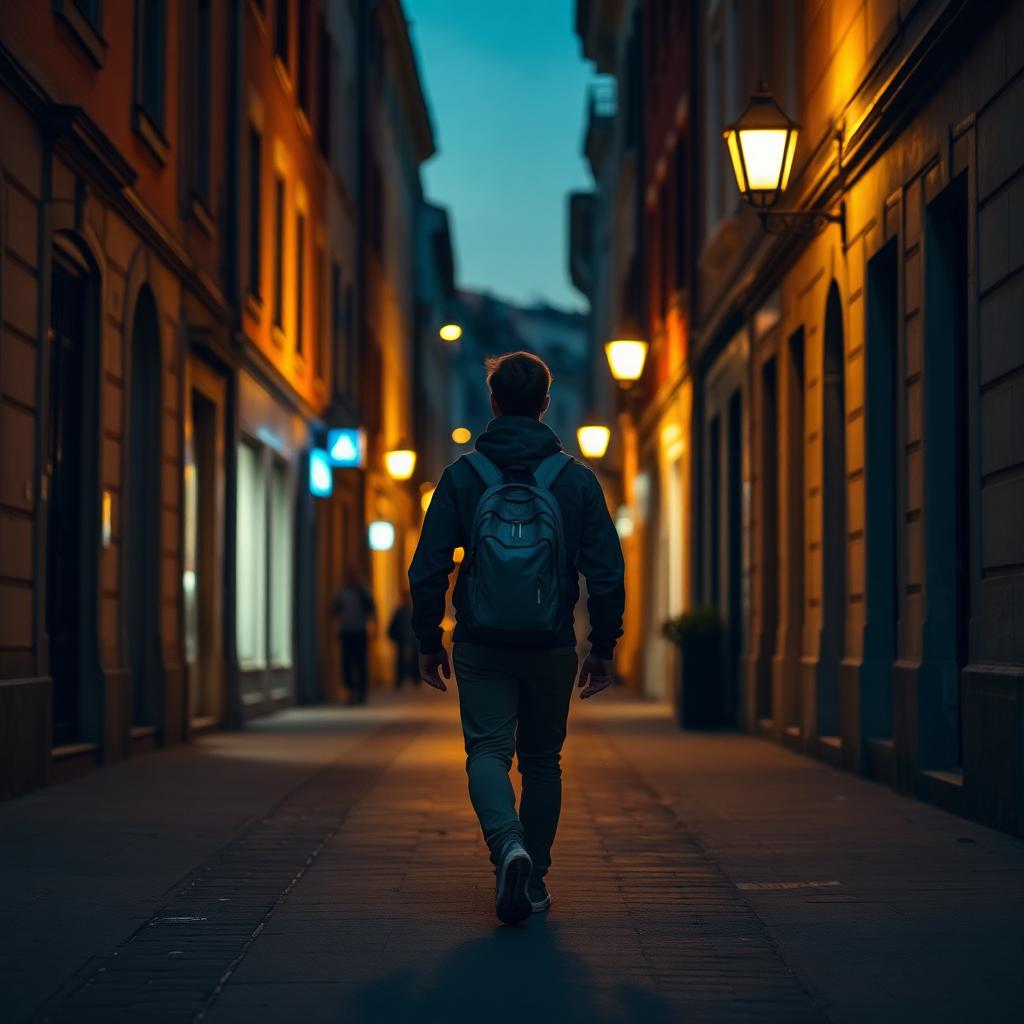
Solo travelers, especially women, are asked about safety more than any other group. The honest answer is that solo travel is statistically safer than most people think and that risk profile depends far more on destination and habits than on being alone. The three habits that reduce almost all solo-travel risk are: pick central, well-reviewed accommodation for the first two nights; avoid empty streets after midnight; and never share your accommodation name with a stranger you just met. That's most of it.
Trust your gut on people. Solo travel gives you excellent gut instincts because you're not sharing cognitive load with anyone; a companion sometimes overrides your intuition, alone you have only your intuition to work with. Listen to it. Leave situations that feel wrong, even if 'wrong' is hard to articulate.
How to eat alone without dread
The single social barrier most new solo travelers report is eating alone at a restaurant. The fix is mechanical: bring a book or a notebook, request a table for one confidently (not apologetically), and order without over-explanation. Servers see solo diners constantly; no one is surprised. Bar seating at restaurants, where offered, is often the best solo experience - you talk to the bartender if you want and to no one if you don't. Some of the best meals of my life have been eaten alone.
One more mechanic: eat one meal a day at 6:30 pm, before the restaurant fills. You'll get the best table, the best service, and the room will still be quiet enough for a solo diner to feel comfortable.
The pace conversation
Solo travel lets you set the pace with no negotiation. Use it. If you want to spend three hours in a single museum room, do it. If you want to skip the famous cathedral and read in a park all day, do it. The tourist itinerary is written for groups; solo travel earns the freedom to rewrite it. The best solo trips I've taken had days where I did one thing and then nothing, and the memories from those days outlast every day of frantic checklists.
How to meet locals (without forcing it)
Locals do not want to be interviewed. They may want to talk to you if there is a natural reason. The natural reasons are: shared meals (bar seating, communal tables), shared interest (a running club, a language exchange, a specific book club), or shared circumstance (a delayed train, a rain shower, a queue). Position yourself in those situations and conversations happen. Try to force it and they don't. Apps like Meetup, EatWith, and Couchsurfing (for hangouts, not lodging) are still surprisingly good in most cities.
The reentry problem
The most-underrated challenge of solo travel is coming home. After ten days of self-directed attention, home can feel oddly loud. Plan a soft landing: don't go back to work the next day, don't schedule a dinner the first night, give yourself a day of quiet. The trip's memories consolidate in that quiet; a chaotic reentry can flatten them.
A note on solo travel over 40
Solo travel is not a young person's activity. Some of the best solo travelers I've met are in their fifties and sixties - often people who traveled a lot with a partner and are now finding solo pace revelatory. The rituals are the same. The pace is often slower and the accommodations more comfortable. The trip does not require youth; it requires attention.
Where to start
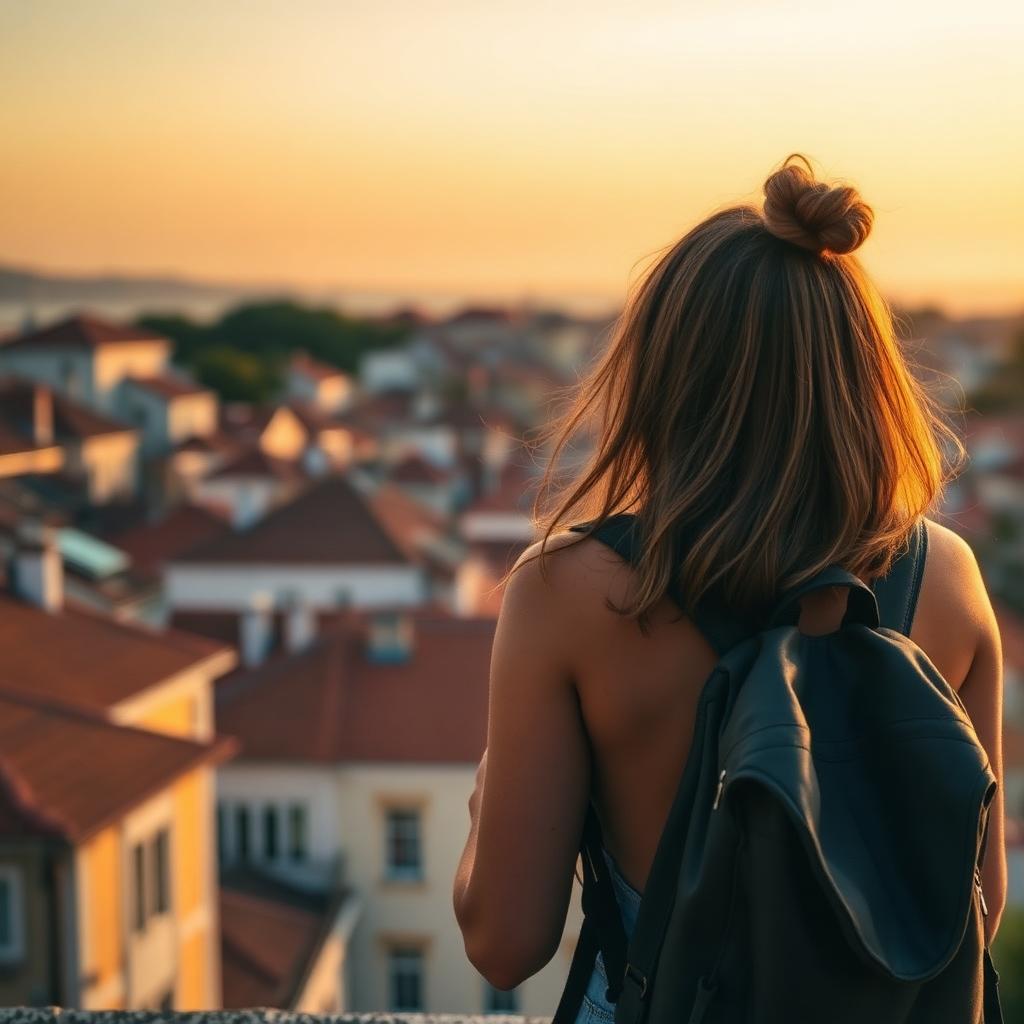
For a first solo trip, pick a city where you already speak the language or where English is widely spoken, with good public transport, a walkable center, and a strong café culture. Lisbon, Copenhagen, Kyoto, Buenos Aires, and Tbilisi all fit this profile. Three to five nights. One central hotel. One booked activity per day, everything else improvised. This is the trip that turns solo travel from an anxious experiment into a preferred mode.
Real destinations where this applies
- Lisbon, Portugal - Best starter solo city in Europe: safe, walkable, excellent café culture, English widely spoken.
- Kyoto, Japan - One of the most peaceful solo destinations in the world; solo dining is culturally normal.
- Tbilisi, Georgia - Cheaper than most European capitals, generous hospitality, growing solo-friendly hostel scene.
- Buenos Aires, Argentina - Late dining culture works well for solo travelers who prefer a quieter room; excellent walking city.
Map
Travel tips
- •Bring headphones - sometimes solo travel is about being alone in a crowd rather than in a room.
- •Learn ten words of the local language, minimum. It changes every interaction.
- •Book a walking tour on day one; it's the fastest way to orient in a new city.
- •Journal ten minutes a day; the trip you remember is the trip you wrote about.
- •Keep a photo of yourself, taken by a stranger, from every solo trip. Ten years later they are the ones you'll return to.
Common mistakes to avoid
- ✕Over-scheduling to avoid the discomfort of unstructured time.
- ✕Under-scheduling and drifting into passive scrolling in cafes.
- ✕Booking dorm hostels when you actually want quiet - the private room in the same hostel is often the best of both worlds.
- ✕Ignoring the reentry period and returning to a full calendar the day after.
- ✕Comparing your solo trip to influencer versions of solo travel.
Frequently asked questions
Is solo travel more expensive?+
Marginally. You pay the 'single supplement' on some tours and lose the ability to split lodging. Everything else is the same or cheaper because you eat less and move faster.
Is it lonely?+
Sometimes. It is also the most attention-rich mode of travel available. Both are true, and neither cancels the other.
Is solo travel safe for women?+
In most destinations, yes - with the same three habits described in the safety section. Some destinations require more caution than others; check current advisories.
How long should my first solo trip be?+
Three to five nights. Long enough to move past the initial adjustment; short enough that a difficult day does not derail the trip.
Amelia has taken more than sixty solo trips across five continents and writes the IST World solo-travel column. Her first solo trip was to Osaka at age nineteen; her latest was three weeks in Georgia.