
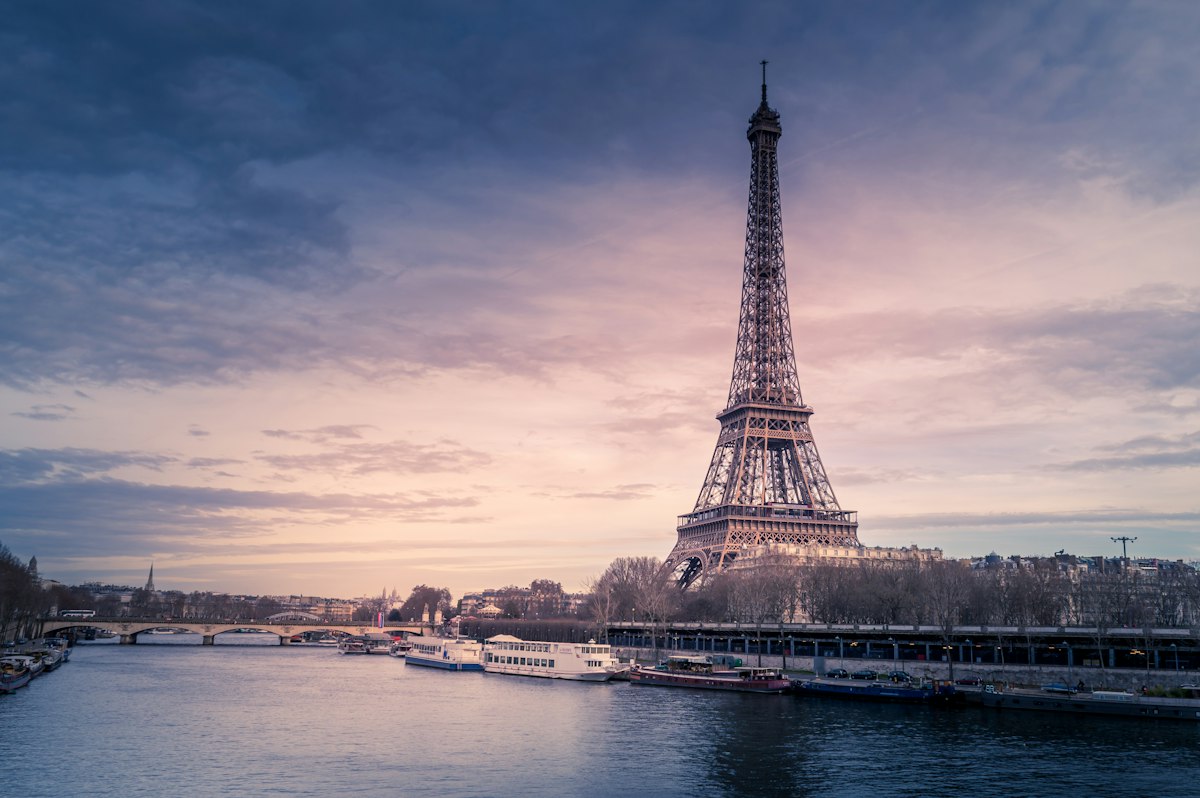
Overview
Paris rewards slow travel. Its density means a single arrondissement can hold a week's worth of markets, museums, and cafés. First-time visitors often try to see everything and see very little; a repeat visitor picks two neighborhoods and lets the city do the rest.
Best Time To Visit
Late April to mid-June, and September to early October. July and August are hot and often thinned out - many locals leave, and a surprising number of restaurants close.
Popular Attractions
- Musée d'Orsay before the Louvre
- The Marais on a Sunday afternoon
- Sainte-Chapelle at midday for the stained glass
- Père Lachaise cemetery
- A morning at the Rungis-style markets in the 12th
Transportation
The Métro is the cheapest and fastest way across the city; buy a Navigo Easy card at any station. Taxis are reliable; ride-hail works but adds surge in the rain. Avoid driving inside the Périphérique.
Accommodation
The 3rd, 4th, and 6th arrondissements offer the best walking-first stays. The 11th and 18th trade some polish for more character and lower nightly rates.
Budget
Mid-range travelers should plan €180-€260 per person per day: €120 lodging (shared), €40 food, plus museums and transit. Paris is expensive but predictable.
Food
Book bistros a week ahead; walk in for cafés. Neighborhood bakeries produce better bread than anywhere else in the world. The 20 EUR prix-fixe lunch remains one of Europe's great deals.
Culture
Greet with 'bonjour' before speaking English - always. Volume conventions are quieter than in North America. Museums close one day a week; check before you arrive.
Safety
Broadly safe. The main concern is pickpocketing on the Métro and at tourist sites - Line 1, Trocadéro, and the queue at Sacré-Cœur are known hotspots. Keep phones off tables at outdoor cafés.
Practical Tips
- Buy museum tickets online, always
- Sunday mornings the city is empty and beautiful
- The Batobus is a useful, tourist-quiet river-bus
- Skip the Eiffel Tower queue with a reservation at Madame Brasserie