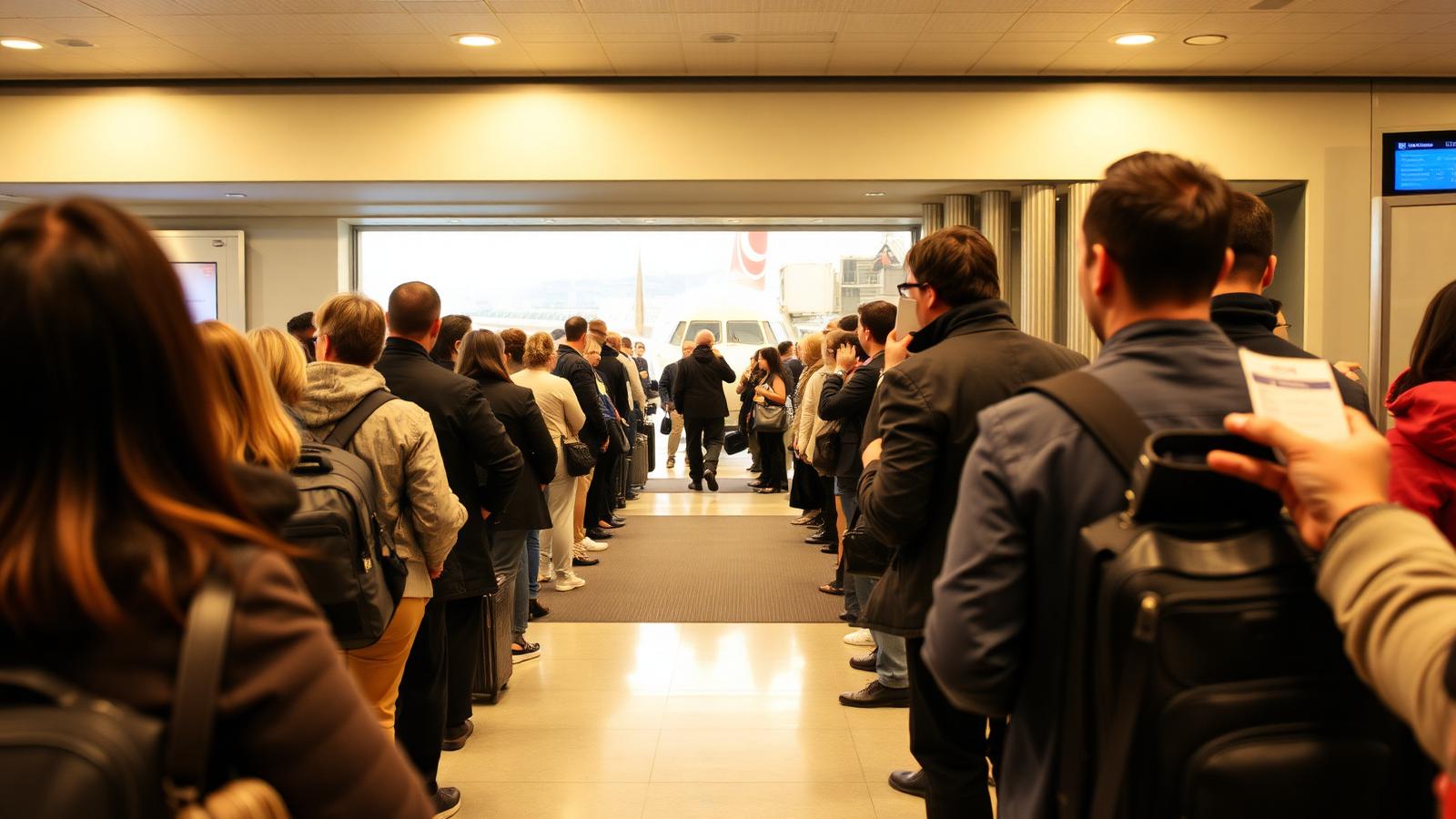

Layovers are the part of a trip that travelers most often plan wrong - either giving themselves so much time the day disappears in a terminal or so little time that one small delay turns into a missed flight. The right layover length depends on the airport, the airline, the itinerary type, and what you plan to do with the time. This guide breaks down the categories and how to plan each one.
The three types of layovers
Layovers come in three flavors: short connections (under 3 hours, meant to keep moving), long stopovers (3-8 hours, room to eat and rest), and overnight or multi-day stopovers (a scheduled break in a hub city). Each has different rules and different risks.
Short connections: the mechanics
A short connection is anything under about 90 minutes at a hub airport and under about 60 minutes at a smaller airport. Whether it works depends on: whether the same airline (or alliance) owns both flights, whether the flights are on a single ticket or separate tickets, whether you have to clear immigration or re-screen security, and whether your bag is checked through.
On a single ticket with the same carrier or alliance, an on-time inbound and no immigration/security issue can make a 45-minute connection at a hub work. On separate tickets, even three hours can be tight - the airline is not obligated to help if the first flight is late.
Minimum connection times: the official rules
Every airport publishes a Minimum Connection Time (MCT) - the shortest legally allowed connection between two flights. MCTs vary by airline pair, direction, and terminal. The rule of thumb: if a booking engine offers the connection, the MCT is met. But 'meets MCT' does not mean 'reliable' - MCTs assume everything works. A 60-minute connection at LHR that clears MCT will fail if the inbound is 30 minutes late.
Build a personal buffer above the MCT for any airport known for delays or complex terminals: JFK, LGA, LHR, CDG, FCO, LAX, ORD, PEK, GRU. At these hubs, add at least 30 minutes to any MCT-only connection.
Immigration and re-screening
Some connections require clearing immigration and re-screening security. This happens on: arrival into the US, Canada, and Australia (must clear passport control and re-check bags for onward flights), arrival from outside Schengen into a Schengen airport with an onward flight, and any transit that leaves the sterile international zone. Add at least 60 minutes for immigration and re-screening at busy times.
Long stopovers: 3 to 8 hours
A 3-to-8-hour stopover is the sweet spot for eating, working, or using a lounge. Enough time to unwind but not so much that boredom becomes the enemy. Plan the stopover before you land: know which terminal your onward flight leaves from, whether you need to change terminals, and what services are on your side of security.
Long stopovers at hub airports with strong lounge networks (Doha, Singapore, Istanbul, Frankfurt, Dubai, Amsterdam) can be genuinely pleasant. Long stopovers at airports with weak in-transit facilities (many US regional airports, some Chinese secondary hubs) are less so - plan to bring or acquire your own comfort.
Overnight layovers: to leave or not to leave
Overnight layovers offer a choice: sleep at the airport or leave and use a hotel. Sleeping at the airport is free but poor sleep; hotels are meaningfully better rest but cost money and require re-entering security in the morning.
Some airports have transit hotels (Yotel, Aerotel, Sama) inside the sterile zone - no immigration needed, no re-screening in the morning. These are the highest-utility overnight option for connections at Singapore, Doha, Dubai, Munich, and a few other airports.
Leaving the airport requires visa eligibility, enough time to clear immigration in both directions (usually a 6-hour layover minimum for a comfortable exit), and confirmation that your bag is either not checked or can be picked up. In cities where this is feasible (Istanbul, Doha, Singapore, Dubai, Tokyo, Reykjavík, Reykjavik, Panama City), a scheduled overnight layover can become a mini-trip.
Stopover programs
A handful of national carriers actively promote extended stopovers in their hub city as part of the ticket - Icelandair (Reykjavík), Finnair (Helsinki), Turkish Airlines (Istanbul, up to 24 hours free hotel for some tickets), Qatar (Doha), Singapore Airlines (Singapore) - sometimes for no extra fare and often with free or discounted hotel packages. If you're transiting through one of these carriers' hubs, the stopover program can be the single best travel deal in the trip.
What to do with a mid-length layover
The wrong answer is 'wander until the flight.' The right answer is a plan: eat one real meal, shower if the airport has facilities, do focused work for a defined block, and then relax in a lounge or at a gate you've already scouted. Aimless waiting is what makes long layovers feel exhausting.
Missed connections: what to do
If you miss a connection on a single ticket, the airline is obligated to rebook you on the next available flight - usually within the same day. Head to the airline's transfer desk or hub customer service; do not join the general check-in line. If you miss a connection on separate tickets, you are the airline's paying passenger for the second flight and will pay a change fee or re-buy the ticket. This is why single-ticket bookings, even at a small premium, are worth it for tight connections.
The layover you can actually enjoy
The best-planned layover has a shape: know the terminals, know the timing, know the plan for the middle hours, and know the plan if things go wrong. Layovers with structure are trips-within-trips. Layovers without structure are just waiting rooms.
Real destinations where this applies
- Singapore Changi (SIN) - Best hub in the world for long layovers - free tours, transit hotels, world-class facilities.
- Doha Hamad (DOH) - Excellent transit hotel and free city tours for stopovers over 5 hours.
- Reykjavík Keflavík (KEF) - Icelandair's free stopover program turns a connection into a real Iceland trip.
- Istanbul (IST) - Turkish Airlines' TourIstanbul program covers hotel and city tour for long stopovers.
Map
Travel tips
- •Book single-ticket connections wherever possible.
- •Add 30 minutes to MCT at busy hubs like LHR, CDG, JFK, ORD.
- •Confirm terminal and re-screening requirements before you land.
- •Use stopover programs on Icelandair, Turkish, Qatar, Finnair, Singapore.
- •Plan the middle hours of a long layover - don't just wander.
Common mistakes to avoid
- ✕Booking separate tickets for a connecting itinerary without a large buffer.
- ✕Assuming MCT means the connection is reliable.
- ✕Trying to leave the airport without confirming visa or luggage logistics.
- ✕Napping so long at the gate you miss boarding.
- ✕Ignoring free stopover programs from hub carriers.
Frequently asked questions
What's the shortest safe international connection?+
45 minutes at a well-run hub on the same alliance with hand luggage only. Add 30+ minutes for any real-world variability.
Can I leave the airport during a layover?+
Yes, if you have visa eligibility and enough time. Six hours is a reasonable minimum for a comfortable exit and return.
Are airport transit hotels worth it?+
For overnight layovers, almost always. The rest and time savings meaningfully outperform sleeping at the gate.
What if my inbound is delayed and I miss my connection?+
On single ticket: the airline rebooks you. On separate tickets: you re-buy or use a delay clause on travel insurance.
Marcus is a former airline operations manager and IST World's checklist editor. He has planned tight connections at every major hub airport.