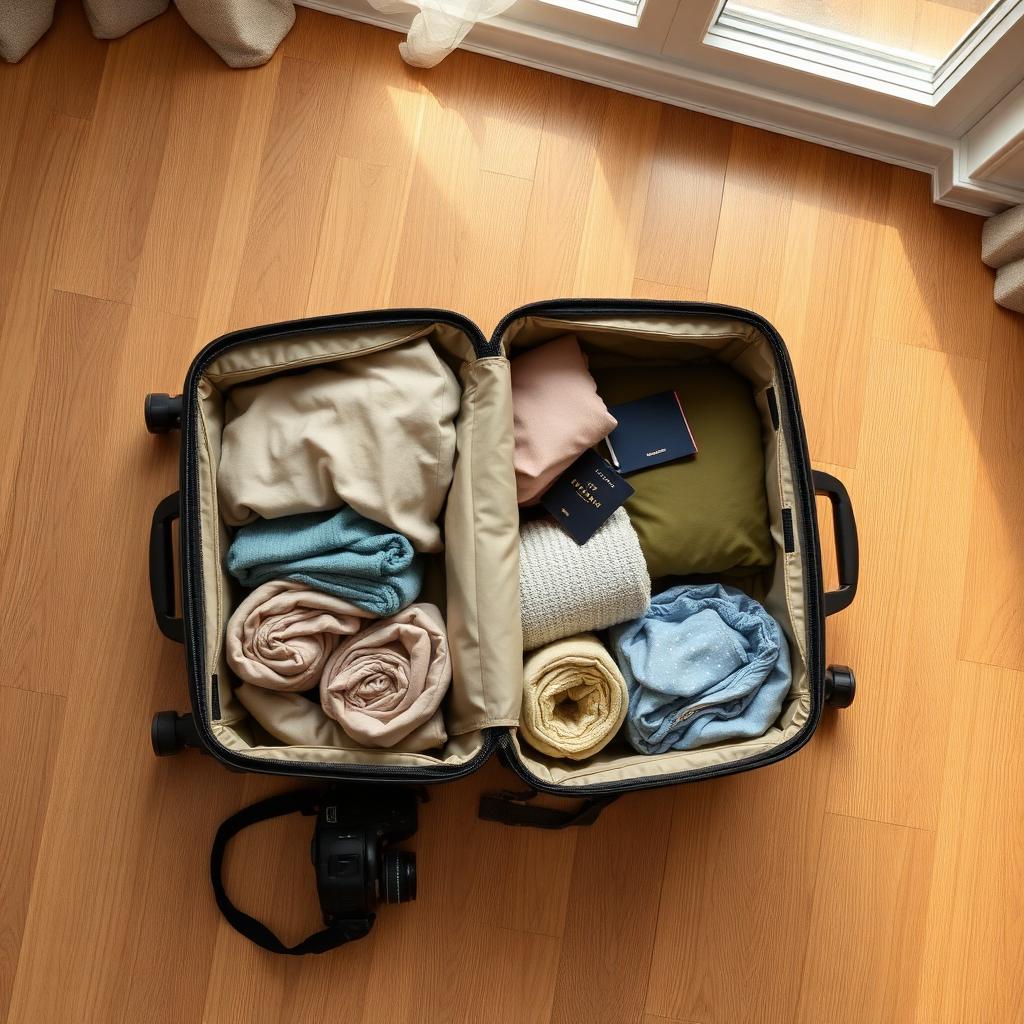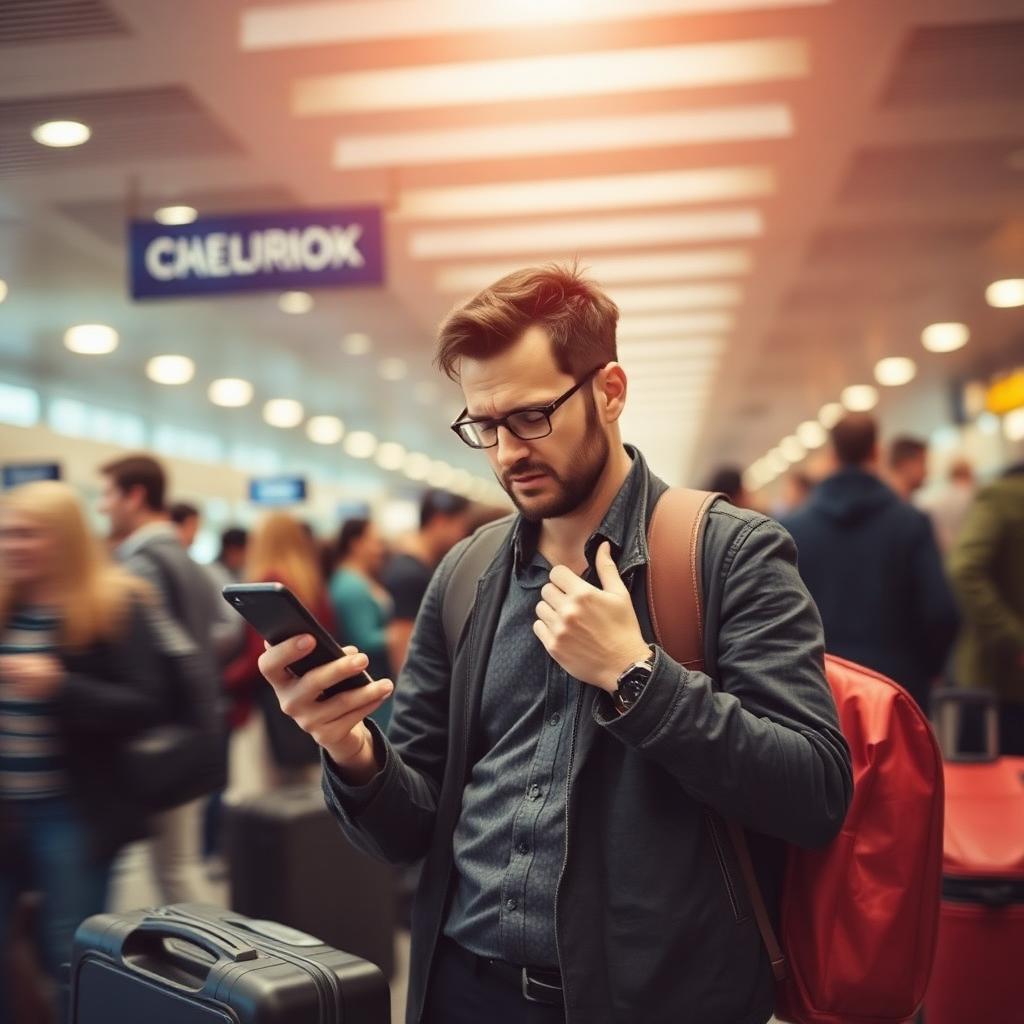
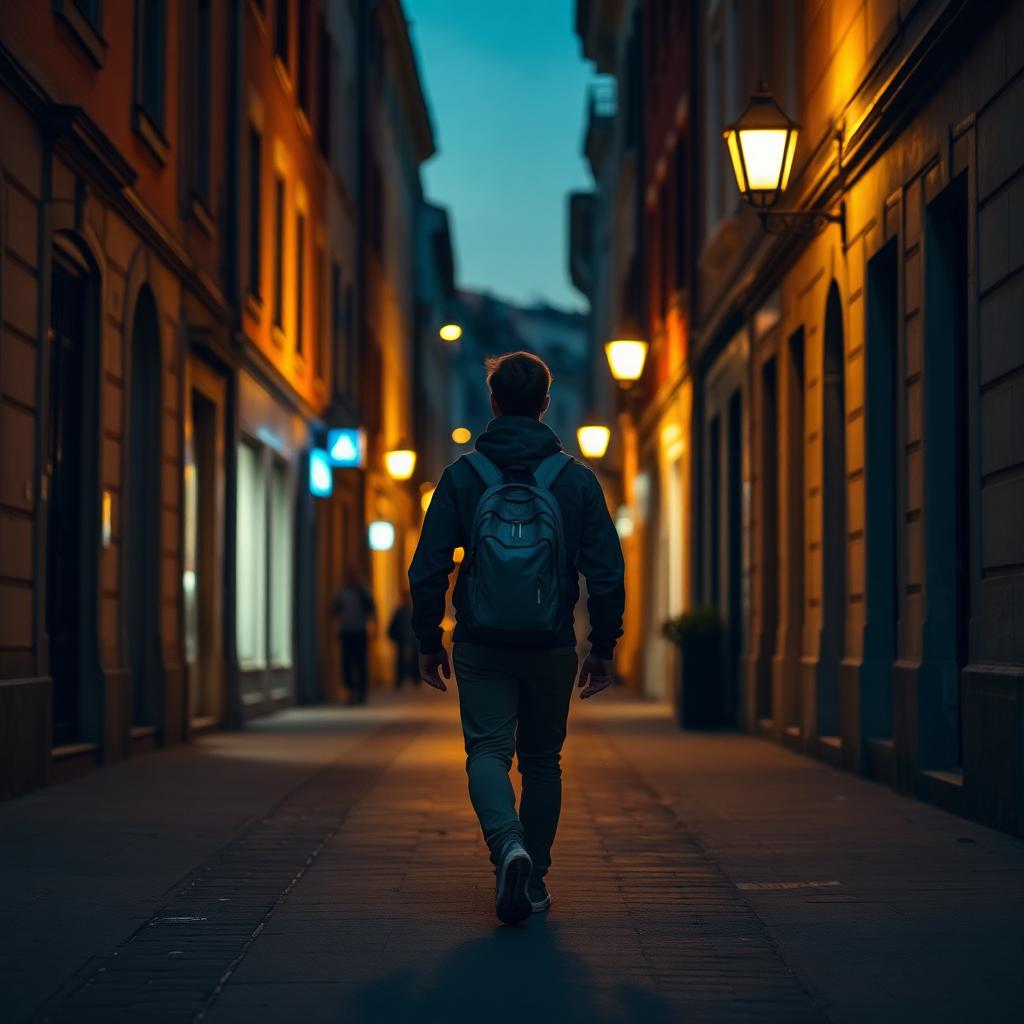
Most travel-safety writing splits into two failure modes: catastrophizing (every city is one wrong turn from disaster) or false confidence (nothing bad happens if you just 'blend in'). Neither is honest. The truthful position is that international travel is statistically very safe, and that a small number of specific habits - most of them boring - account for almost all the difference between travelers who have great trips and travelers who have expensive stories.
This guide walks through those habits in the order they matter, from the moment you book the trip to the moment you're back in your kitchen. Read it once; return to the checklist at the bottom whenever you're heading somewhere new.
Before the trip: the four intel checks
Before you book anything, do four quick checks. First, read your government's travel advisory for the destination - the US, UK, Canadian, and Australian pages are all free and updated regularly. Read them for specifics, not general tone: 'petty theft is common on the M2 metro line' is actionable; 'exercise increased caution' is not. Second, search recent news for the specific city and month you plan to visit. Political events, festivals, and strikes are usually predictable a month out. Third, ask in the country's subreddit or a Facebook expat group; locals will tell you the honest answer about neighborhoods in three sentences. Fourth, check the weather and daylight hours; safety failures compound after dark, and 'after dark' is 4:30 pm in Oslo in December.
Choose the first-night neighborhood carefully
The single decision that shapes the safety of your trip is where you sleep the first night. Book in an established, central, well-reviewed area - even if it costs 20% more than the fringe. You will arrive jet-lagged, disoriented, and carrying every valuable you brought. That is not the moment to navigate a poorly-lit district you have never seen. Once you have your bearings, move to a cheaper neighborhood on night three or four if you want; the first two nights are for stability.
A useful test: Google the exact address and look at Street View. If the block looks well-lit, mixed-use, and populated, it probably is. If Street View shows shuttered storefronts and no pedestrians, that is not a bargain; that is a warning.
The 'two-wallet' rule
Carry two wallets. A daily wallet with the amount of cash you'll spend that day, one credit card, and a photocopy of your passport. A backup wallet, in a different bag or a room safe, with your other credit card, larger cash, and your actual passport. Never carry both together. If the daily wallet is lost or stolen, you have an inconvenience, not an emergency. If you carry everything in one place, you have an emergency that costs a day of your trip and possibly the trip itself.
This is not paranoia. Pickpocketing in Barcelona, Rome, and Paris is skilled and industrial-scale; the people doing it steal 40 wallets a day and the average tourist notices ten minutes later. The two-wallet rule turns a common event into a survivable one.
How to actually carry money in a crowded market
The daily wallet goes in the front pocket, not the back. A small crossbody bag worn in front is fine in cities that skew tourist-friendly (Prague, Kyoto, Copenhagen), less fine in cities with active theft rings targeting tourists (Barcelona, Rome, Marseille). Money belts under the shirt are for the reserve, not for daily spending - pulling one out at a market flags you as a target the moment it happens. A folded 20 in a shoe or an inside jacket pocket is your last-resort taxi money.
Transport safety, from airport to hotel and after
Airport-to-hotel is the single most-targeted moment of a trip. Book a car through the hotel or use the official taxi rank inside the terminal; unofficial drivers waiting at arrivals doors are almost always overpaying at best and dangerous at worst. Use Uber, Bolt, Grab, or Careem where they operate - the app-based accountability is a genuine safety upgrade. Never enter a car that does not match the app's license plate.
In cities with a functional metro, use it - but not empty carriages after 10 pm. Buses are usually safer than metros for late-night travel because bus stops are on the street rather than underground. If you rent a car, never leave anything visible in it, ever, and never sleep in it in an unlit lot.
The scam recognition kit
Scams are pattern-matching problems. Once you have seen the pattern, the specific variant is easy to spot. The three families of tourist scams are: distraction (a stranger asks you a question, a crowd forms, your bag is lighter), false authority (a fake police officer, ticket inspector, or hotel worker asks to see your passport or wallet), and manufactured urgency (a broken taxi meter, a hotel that 'closed', a friend who needs money wired now). Any interaction that involves an unsolicited stranger, a piece of paperwork, and time pressure is a scam until proven otherwise.
The response is the same for all of them: slow down, do not hand over your passport or wallet, and if pressed, ask to walk to the nearest hotel or police station. Legitimate officials will always accept this. Scammers will not.
Digital safety on the road
Public Wi-Fi at airports and hotels is safer than it was a decade ago - most sites now use HTTPS by default - but banking apps and email on unknown networks still deserve a VPN. Turn on your phone's 'find my device' feature before departure and share your live location with one trusted person for the duration of the trip. Enable two-factor authentication on every account before you leave, and keep the backup codes on paper in the reserve wallet, not on your phone.
Photograph the front and back of your passport, credit cards, and insurance card. Store the photos in a private cloud folder and email one copy to yourself. This is the single most useful thing you can do in fifteen minutes.
The 'name of the hospital' habit
Every first night in a new city, look up the name and address of the nearest hospital and write it in your notes app. It will almost certainly not be used. If it is used, it will save an unrecoverable amount of time. The same applies to the address of your embassy or consulate. This takes three minutes and it is the closest thing to insurance you can create yourself.
Situational awareness without paranoia
The goal is not to walk around scanning for threats. The goal is to keep 20% of your attention on your environment. Notice who is behind you when you enter an ATM vestibule. Notice which exits are marked at the restaurant you sat down in. Notice whether the driver picked up the phone from the passenger seat when they got in - most legitimate drivers set navigation before you enter the car. This kind of low-key attention takes almost no cognitive load once it is a habit, and it turns most bad situations into non-events.
The nightly check-in
Every night of a trip, send one message to a trusted person at home: 'in for the night at [hotel name].' It is thirty seconds. It ensures someone in the world knows where you are. On the rare night that message doesn't arrive, someone can act. On every other night, it costs nothing and buys peace of mind for both of you.
What to do if something goes wrong
If a wallet is stolen: cancel cards immediately using the pre-saved bank number in your notes, then file a police report - you need the report number for insurance. If a passport is lost: contact your embassy the same day; emergency travel documents can usually be issued within 48 hours. If you're injured: pay first, claim later; getting the receipt and diagnosis in writing matters more than which hospital you choose. If you're followed: enter the nearest lit business or hotel lobby and stay there for ten minutes. Almost every 'incident' becomes a story, not a disaster, if the first hour is handled calmly.
Real destinations where this applies
- Barcelona, Spain - Pickpocketing on La Rambla and metro line L3 is extreme; front pockets only.
- Rio de Janeiro, Brazil - Beach areas are safe by day; specific neighborhoods change character sharply after dark - ask the hotel.
- Tokyo, Japan - Statistically one of the safest large cities in the world, but crowded stations are still pickpocket-active.
- Marseille, France - Vieux-Port is safe; certain districts inland reward using rideshare instead of the metro after 10pm.
Map
Travel tips
- •Save your bank's international collect-call number in your notes; the app won't work when your phone is stolen.
- •Buy a small combination lock - hostel lockers require them and hotel safes occasionally jam.
- •Learn the local emergency number: 112 across the EU, 119 in Japan, 000 in Australia, 911 in North America.
- •Never accept a drink you didn't watch be poured, especially in tourist bars.
- •Trust your gut on people - if a situation feels wrong, leave. You will never regret leaving; you may regret staying.
Common mistakes to avoid
- ✕Wearing all valuables in one wallet - the compound cost of a single theft.
- ✕Booking the cheapest first-night accommodation in an unfamiliar neighborhood.
- ✕Photographing the wrong things - some countries treat photos of government buildings, airports, and border areas as a criminal offense.
- ✕Assuming rural areas are automatically safer than cities; isolation is its own risk category.
- ✕Ignoring travel advisories because 'those pages are always alarmist.'
Frequently asked questions
Do I need to buy a money belt?+
Only if you're carrying reserve valuables (passport, backup cash) all day. For daily spending, a front pocket or crossbody works better and doesn't require awkward undressing.
Is it safe to use hotel Wi-Fi?+
For general browsing, yes - the network is usually password-protected and most sites are HTTPS. For banking and sensitive email, use cellular data or a reputable VPN.
Should I bring pepper spray?+
Rarely worth it. Many countries ban import; airlines prohibit it in checked bags in most jurisdictions; and it creates as many problems as it solves. Situational awareness is the better investment.
What's the single most-underrated safety habit?+
The nightly check-in message to a trusted person. It's free, takes seconds, and creates the only real distributed safety net a solo traveler has.
David spent eight years as a regional security analyst at the US State Department and now writes IST World's safety column. He has lived in Lagos, Amman, and Bogotá.