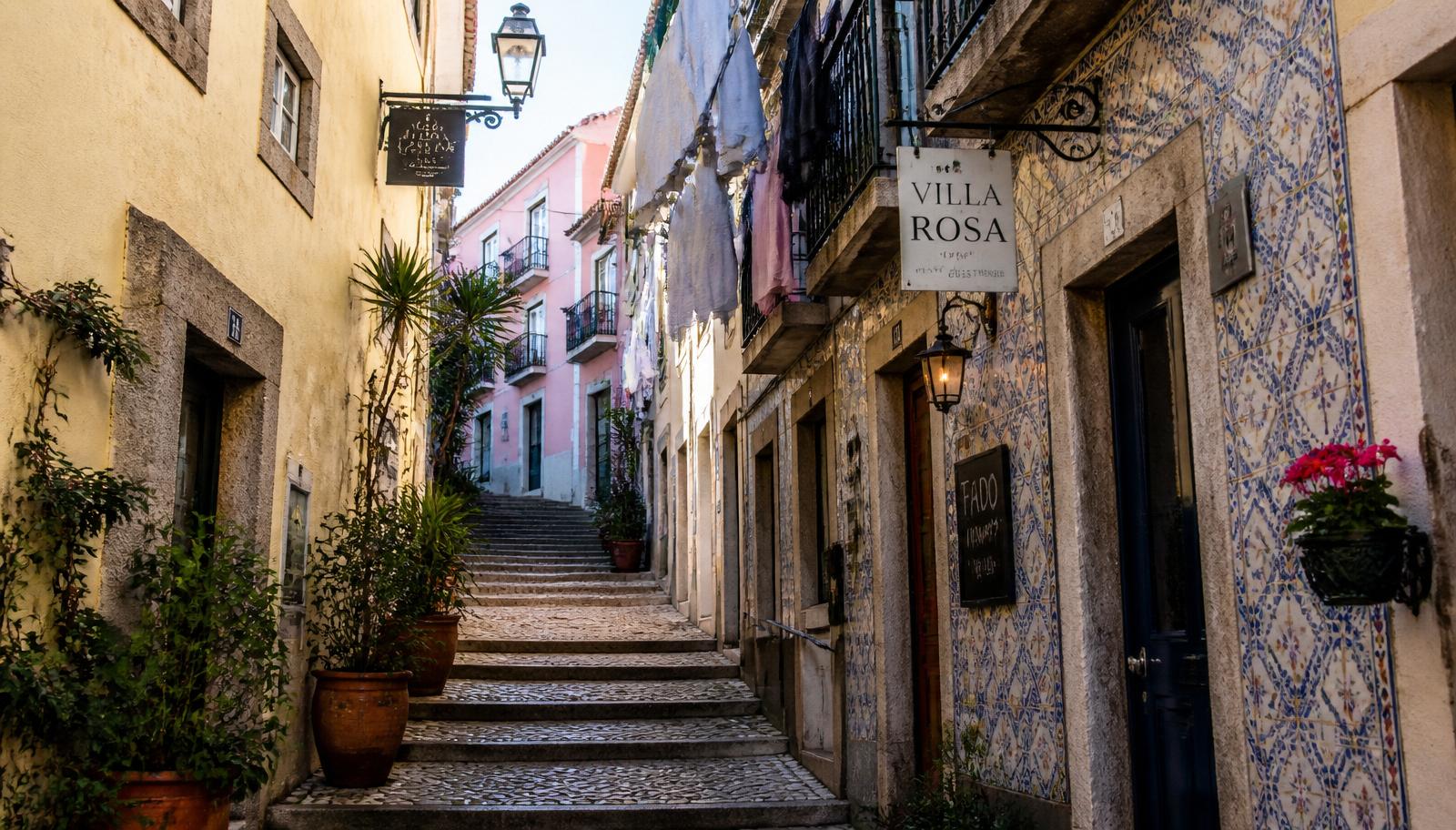

The digital nomad category has grown up. What was once a fringe practice for freelance developers and travel bloggers is now a mainstream mode for knowledge workers of every kind, supported by dedicated visas in 60+ countries, real coworking infrastructure, and mature financial and tax scaffolding. It has also produced a decade of hard lessons about what actually works. This guide is about those lessons.
The four-city rotation
The single most important habit for sustainable nomad life is slowing down. New nomads try to see everything and burn out in six months. Experienced nomads settle in a rotation of three or four cities, staying one to three months in each. This gives you the routine of a resident (favorite cafe, weekly grocery store, gym membership) plus the variety of travel (each new base becomes a fresh chapter). It is also cheaper - monthly rents are usually 50-70% lower than weekly Airbnbs. The rotation I recommend to new nomads: one European base, one Latin American base, one Southeast Asian base, one wild card.
The visa map
Most countries allow a tourist stay of 30-90 days visa-free for citizens of most Western nations. That model works for short stints but is legally and financially fragile for long-term nomads. The mature path is a digital nomad visa. As of 2026, the strongest programs are: Portugal (D7 and Digital Nomad Visa), Spain (Digital Nomad Visa), Estonia (e-Residency plus DNV), Croatia, Malta, Costa Rica, Panama, Colombia, Mexico (Temporary Resident), Thailand (LTR), and the UAE (Green Visa). Each has different income thresholds and paperwork; most require 6-8 months of preparation. Pick one to be your legal base and structure everything else around it.
Warning: 'working on a tourist visa' is technically illegal in most countries. Most enforce this loosely, but the enforcement is trending stricter - Bali, Chiang Mai, and Mexico City have all had visible immigration actions in the last two years. Long-term nomads should not depend on lax enforcement continuing.
The tax reality
US citizens owe US federal taxes on worldwide income regardless of where they live, subject to the Foreign Earned Income Exclusion (roughly $126,000 in 2026) and Foreign Tax Credit rules. Non-US citizens generally follow tax residency in whichever country they spend more than 183 days (or meet specific residency tests). Getting this wrong is the single most common financial mistake nomads make. Hire an accountant experienced with expat tax the first year - the cost of $500-1,500 is trivial compared to unwinding a two-year mess.
Freelancers should consider forming a business entity in a tax-favorable base country (Estonia, Malta, or the US LLC for non-US persons are common). Employed remote workers usually can't - their employer's tax obligations trigger in the country where they physically work, which creates real problems for the employer. Read your remote-work policy carefully; some employers now cap the number of days you can work outside your home country.
The internet problem
The whole enterprise depends on internet that works. Never trust the accommodation listing's claim of 'high-speed WiFi.' Ask specifically for a speed test screenshot from the last week. Pack a mobile hotspot (a portable 5G router or your phone's tethering) as a backup. Subscribe to at least one paid VPN - Mullvad, Proton, or NordVPN are the credible options in 2026. Use it every time you connect to a coffee-shop or coworking network.
The single most-underrated nomad tool is Starlink Roam, which works in most places with a clear sky view. Overkill for city-dwelling nomads; essential for anyone considering rural or semi-rural bases.
The coworking-vs-cafe question
Coworking is worth the money if you're doing focused work more than 3 days a week. It buys you: reliable internet, a real desk and chair, quiet phone-call booths, a community of adults doing similar things, and - perhaps most importantly - a physical separation between work and life. Nomads who work exclusively from cafes and Airbnbs tend to blur the two, and the blur is what causes burnout more than any workload. Selina, Outsite, Anceu, Draper Startup House, and the WeWork On Demand pass are all credible options in major cities.
Banking and payments
The nomad banking stack usually includes: a Wise multi-currency account for holding balances in the currencies you spend and receive; a US-based bank (Charles Schwab or Fidelity) for zero-fee ATM withdrawals globally; a local account in your primary base country for rent and utilities; one credit card with no foreign transaction fees and strong travel-related insurance (Chase Sapphire Preferred/Reserve or their equivalents). Revolut and Monzo work as EU-based alternatives. Never rely on a single card; if it is frozen for any reason you need a backup that works internationally.
Health insurance for the road
Regular travel insurance is for weeks, not years. Nomads need a proper international health insurance policy - SafetyWing, Cigna Global, IMG Global Medical Insurance, and Allianz Care Nomad are the current credible options. Cost ranges from $50-350/month depending on age and coverage. Include evacuation coverage. If you'll spend significant time in the US, get a policy that covers US care - most nomad-specific policies do not by default.
The loneliness question
Nomads report loneliness at higher rates than the general population, and it's the single most common reason people quit the lifestyle. The mitigation is intentional community: prioritize bases with a real nomad scene (Lisbon, Medellin, Chiang Mai, Bali, Mexico City), join local expat and hobby groups, and don't stay past the point of diminishing returns in any city. Slower rotations help - three months lets you build friendships; two weeks does not.
Book a shared coliving property for your first month in a new base if you're new to nomad life. Selina, Outsite, and various regional operators all offer this. The built-in community shortcuts what would otherwise be six weeks of solo groundwork.
The end-of-nomad conversation
Most nomads do not stay nomads forever. Many transition into 'slow nomads' with one primary base and 2-3 months of travel per year. Some settle permanently in a place they discovered while nomadic. Some go back home richer for the years abroad. All of these are legitimate exits. The one exit to avoid is the one caused by financial disaster - savings depleted, no career capital built, no clear next step. To avoid it, treat nomad life as a job with a savings plan, not as a permanent vacation.
The setup week
Every new base gets a setup week. Days one and two: find a grocery store, a coffee shop, and a gym. Test the internet at your accommodation and at two nearby cafes. Day three: visit the coworking space you booked and change your reservation to full-time if it works. Days four and five: begin normal work. Day six or seven: one social event (nomad meetup, coworking happy hour, hobby class). By the end of week one, you have a routine. If you don't, extend the setup week; do not skip it.
The final honesty
Nomad life is not what Instagram sells. It is a career, executed portably, with the added complexity of geography and immigration. The people who thrive at it are the ones who love the work itself and see the travel as bonus; the people who burn out are the ones who tried to escape the work through geography. Get the operating system right and it can be one of the great professional decades of your life. Get it wrong and it can burn a career.
Real destinations where this applies
- Lisbon, Portugal - The current center of gravity for European nomad life: infrastructure, community, and the D7 visa.
- Medellin, Colombia - Perfect weather, low cost, growing infrastructure, and a well-established El Poblado nomad neighborhood.
- Chiang Mai, Thailand - Long-running nomad hub with the most mature Southeast Asian infrastructure; recent visa options make longer stays workable.
- Mexico City, Mexico - Excellent food, altitude climate, strong coworking scene, easy proximity to the US for client meetings.
Map
Travel tips
- •Test the WiFi with a speed test in the first hour of any new accommodation.
- •Never move between cities on a Monday morning; the transit day will destroy the work week.
- •Get a Wise account before your first international trip.
- •Book the first month of each new base at a coliving to build community fast.
- •Set your calendar to your home time zone if you have team meetings - do not float.
Common mistakes to avoid
- ✕Working on tourist visas long-term.
- ✕Not filing US taxes correctly the first year abroad.
- ✕Choosing cheap accommodation with bad internet.
- ✕Rotating cities every 1-2 weeks and burning out.
- ✕Living below your income and thinking that's saving - most nomads should save aggressively during nomad years, not spend down.
Frequently asked questions
Do I have to be a freelancer to be a nomad?+
No, but you do need to be sure your employer permits it. Many companies have location and tax-day caps that nomads regularly break unintentionally.
What's the cheapest nomad base?+
Chiang Mai and Medellin routinely come in under $1,500/month all-in; Lisbon and Mexico City are $2,000-3,000; Barcelona and Singapore are $3,500+.
How do I handle mail?+
A mail-forwarding service in your home country (Traveling Mailbox, US Global Mail) scans your mail and forwards packages as needed.
Can I raise kids nomadically?+
Yes, but slow it down further. Most nomad-families settle into a 6-12 month rotation with real schools or homeschooling structures rather than the 1-3 month adult pattern.
Ines has worked remotely from 47 countries since 2018 and runs IST World's nomad column from her current base in Lisbon. She is licensed as a Portuguese resident under the D7 visa.