
Student travel is the single best-value travel mode available. You have more time than you'll ever have again, entire industries are built to serve you cheaply, and expectations are low - meaning a hostel dorm bed and a €7 dinner still feels adventurous rather than deprived. This guide is about how to convert those advantages into more trips, further trips, and better trips.
The three cards every student should have
First: an ISIC (International Student Identity Card). It is $20 a year and it unlocks discounts at 42,000 museums, transport systems, and attractions globally. In Europe alone it pays for itself in one week. Second: a debit card with no foreign transaction fees and no ATM fees (Charles Schwab and Wise are the industry standards; some EU neobanks like N26 and Revolut are equivalent). Third: a credit card with a solid sign-up bonus and no foreign transaction fees, used only for large purchases you can pay off immediately. Three cards, one afternoon of paperwork, thousands of dollars saved over four years.
The rail pass math
Eurail (for non-Europeans) and Interrail (for Europeans) passes are only worth it if you plan four or more train journeys in a specific window. Below that, individual tickets booked 60 days in advance are cheaper. Above it, the pass wins. The mistake most students make is buying a pass 'in case' and then only taking two trains. Do the math before buying: sum up the individual advance-purchase fares of your planned routes and compare.
Similarly in Japan: the JR Pass (recently repriced) only makes sense for itineraries that include multiple Shinkansen legs - Tokyo-Kyoto-Hiroshima, for example. For a Tokyo-only trip, individual tickets and the local IC card win.
Where to actually sleep
Hostels have upgraded dramatically in the last decade. Chains like Generator, Meininger, and Selina offer private rooms in the same building as dorms, meaning you can have hostel-level cost with hotel-level privacy. Book six-bed dorms rather than sixteen-bed dorms - the marginal cost is small and the sleep quality gap is enormous. Couchsurfing has faded but still exists in some cities as a genuine hospitality network; use it primarily for hangouts rather than lodging. Workaway and Worldpackers are excellent longer-term options: work 4-5 hours a day at a hostel or farm in exchange for room and board.
The single hostel tip that changes everything: bring earplugs and an eye mask. They cost under $10 and they turn a dorm from a bad sleep experience into a fine one.
The overnight train and bus arbitrage
An overnight train or bus is two things simultaneously: transport and a hotel room. Sleeping on a €40 overnight bus from Berlin to Prague costs less than the €25 bus + €30 hostel would separately, and it saves a day. The trick is only doing this on nights where you can actually sleep - dedicated sleeper trains (ÖBB Nightjet, Caledonian Sleeper) are excellent; reclining coach buses are less so past age 25.
Eating well on nothing
The single fastest way to burn a student budget is restaurant meals. The single fastest way to eat well anyway is to shop at supermarkets like a local. Bread, cheese, cured meat, fruit, and a bottle of wine cost €10 in most of Europe and produce a park picnic better than most €30 restaurant meals. Cook one hostel meal a day when a kitchen is available. Save restaurants for the one meal per city that is culturally worth it - a proper ramen in Kyoto, a Neapolitan pizza in Naples, an asado in Buenos Aires. Everything else is fuel.
Where to go - the low-cost European map
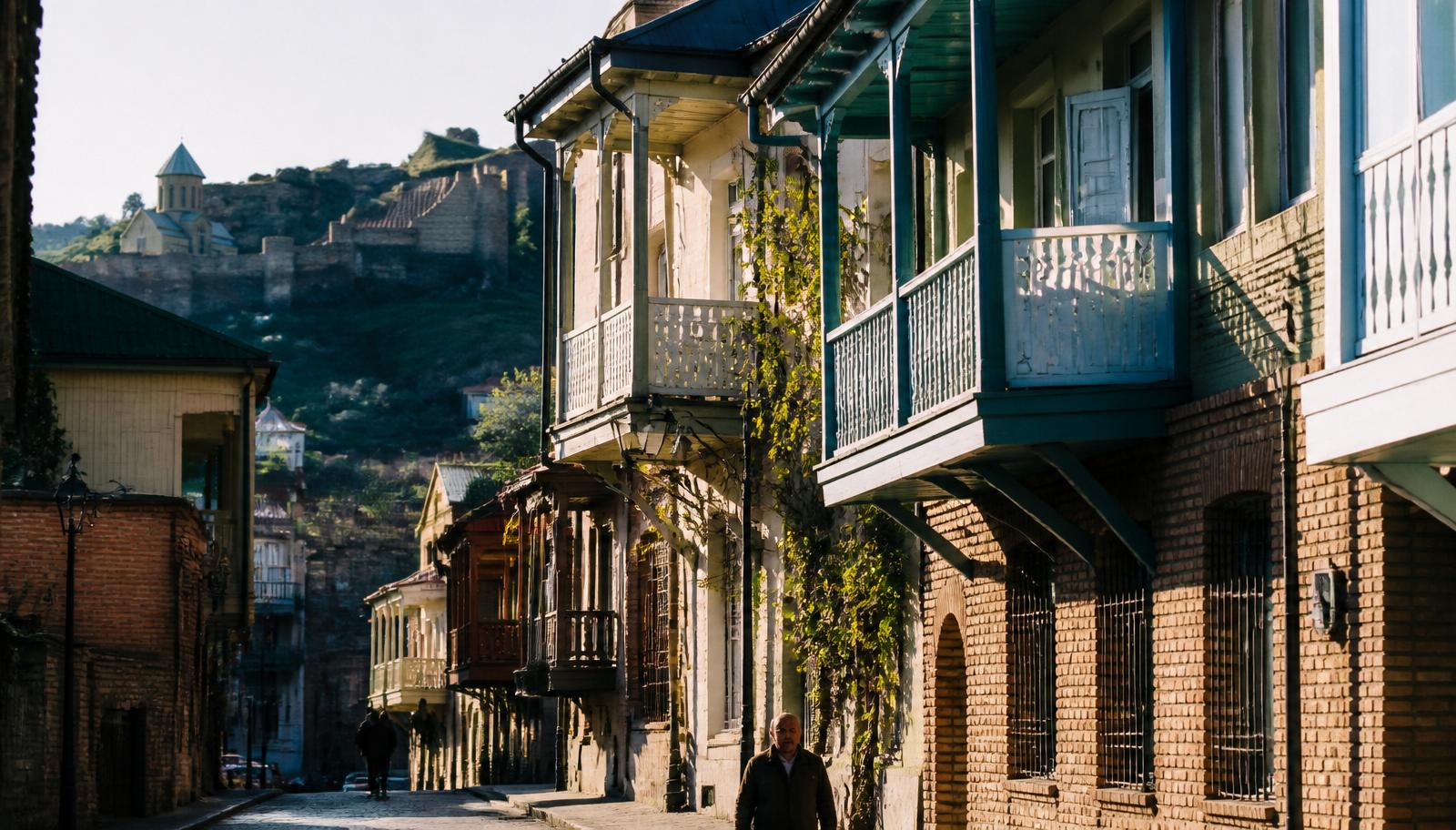
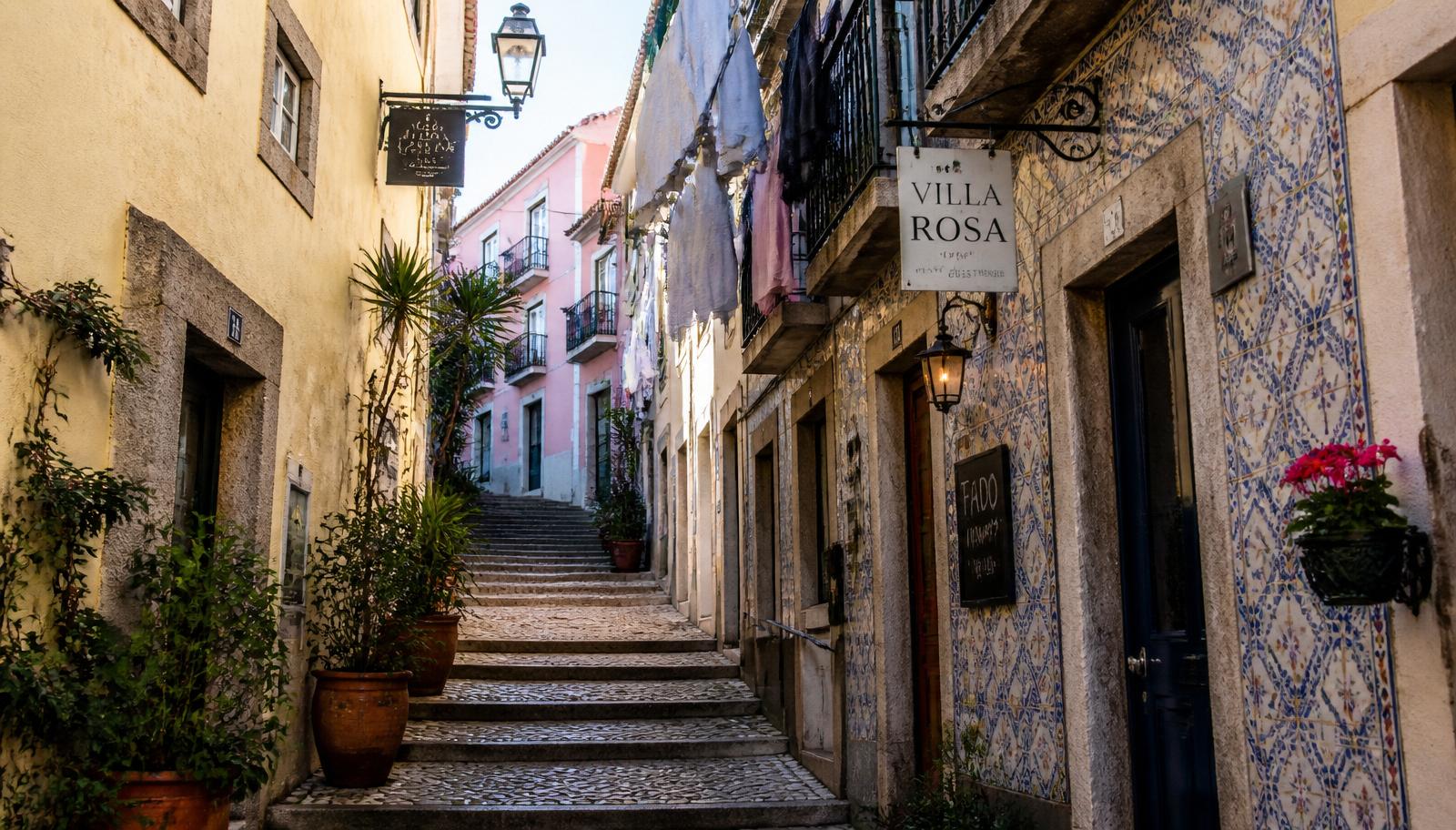
Not all of Europe costs the same. The cheapest countries with well-developed traveler infrastructure are: Portugal, Poland, Czechia, Hungary, Romania, Bulgaria, and (increasingly) Georgia and Albania. A student can eat, sleep, and travel comfortably in most of these for €40-60 a day. Compare to €100+ in France, Switzerland, or Iceland. The lesson is not that you shouldn't go to expensive countries - it's that you can spend three weeks in Portugal for the cost of one in Switzerland, and both are educational.
Beyond Europe: the same principle
Southeast Asia is the highest-value student destination outside Europe. Thailand, Vietnam, Cambodia, and Laos allow a comfortable $30-50/day budget with hostels, street food, and buses. India, Sri Lanka, and Nepal are similarly cheap with more logistical complexity. South America follows: Peru, Bolivia, and Colombia are excellent budget destinations; Argentina and Chile are more expensive but still under European costs. Choose destinations by cost/time-per-dollar, then let interest fill in the specifics.
Working while traveling
The old model - teaching English abroad for a year - still works but is more competitive than a decade ago. TEFL certifications from reputable providers cost $200-500 and open jobs in South Korea, Japan, Vietnam, and Spain. Better paid programs (JET in Japan, EPIK in South Korea, government auxiliar programs in Spain) require applications months in advance but pay enough to save while abroad. For programmers, freelance work paid in dollars while living in a lower-cost country is a valid path for a summer or semester off.
The study-abroad multiplier
Study abroad is the single most-underrated financial engineering for student travel. Tuition often stays the same as at home, but you now live in Berlin or Kyoto and can travel weekends. Every weekend you take a bus to a new city, that's a trip that would have cost a plane ticket if attempted from home. Students who study abroad routinely visit 15+ countries in a semester on tuition dollars they were paying anyway. If your university offers it, take it.
The three-week backpack
For a three-week Europe trip, pack: 40-liter backpack (max), 5 shirts, 2 pants, 1 pair of shorts, 1 warm layer, 1 rain jacket, 1 pair of walking shoes plus flip-flops, quick-dry underwear (rinse in the sink, dry overnight), a small toiletries kit, a padlock for hostel lockers, a compact laptop or tablet, phone, charger, universal adapter, and one book. That is the whole list. Anything more becomes weight you regret on the first hostel climb.
The habit that makes it all work
Every night on the road, write down what you spent that day. Not a budget spreadsheet - just a phone note with the total. Two things happen: you notice spending patterns you would otherwise miss (bar rounds are always the culprit), and you develop a physical sense of daily cost that no app can teach. The students who come home with money in the account are almost always the ones who tracked. The rest are surprised.
Real destinations where this applies
- Berlin, Germany - The single best student city in Europe: cheap, culturally deep, functional public transport, huge international scene.
- Chiang Mai, Thailand - Cheapest livable digital-nomad-adjacent city in the world; extendable Thai visa; strong hostel scene.
- Krakow, Poland - One of the cheapest capital-quality experiences in Europe; walkable center; excellent food scene.
- Medellin, Colombia - Perfect weather year-round, cheap Spanish schools, hostel-heavy Poblado neighborhood.
Map
Travel tips
- •Get the ISIC card the first week of your first international trip.
- •Book overnight trains for legs where the sleep quality is real - Nightjet, Caledonian Sleeper.
- •Never buy bottled water in Europe outside of specific countries - tap water is safe almost everywhere.
- •Photograph your passport, ISIC, and insurance and store them in three places.
- •Never take a wallet to a night out; take one card and the exact cash you plan to spend.
Common mistakes to avoid
- ✕Buying a Eurail pass 'just in case' and then only taking two trains.
- ✕Booking sixteen-bed dorms to save €3 and losing three nights of sleep.
- ✕Eating every meal at restaurants and running out of money by week two.
- ✕Overpacking - a 65L pack always becomes a regretful pack.
- ✕Skipping travel insurance because 'nothing will happen' - the one time it does, it's ruinous.
Frequently asked questions
How much money do I need for a month in Europe?+
In cheap countries (Portugal, Poland, Czechia): €1,200-1,800. In mid-range (Spain, Italy, Netherlands): €1,800-2,600. In expensive (France, UK, Switzerland, Nordics): €2,500-4,000+. Add flights on top.
Is hostel travel really safe?+
In reputable hostels with private lockers, yes. Use the padlock, don't leave laptops out, choose smaller dorms. Almost all serious problems happen in unfamiliar bars, not in the hostel itself.
What's the best way to book cheap flights as a student?+
Skyscanner and Google Flights for search; STA Travel and StudentUniverse for occasional student-only fares; the airline's own site to book. Never through third-party OTA aggregators for international.
Should I take a gap year to travel?+
If you have a clear plan for the year - study, work, structured travel - often yes. If it's 'I'll figure it out,' it drifts and burns the year.
Kwame runs the IST World student desk from Berlin. He backpacked through 34 countries during his undergraduate years on a combined budget of under $6,000.