Portugal was the great budget-travel discovery of the 2010s and the great overtourism story of the early 2020s. Both narratives are partial. The current Portugal is more expensive than it was five years ago and cheaper than most of Western Europe; it is more crowded in Lisbon and the Algarve than it was and still less crowded than most of Italy. This guide is for the traveler who wants to see the country as it actually is now - the great parts, the tradeoffs, and where to go to escape the tourist wave that Portugal has legitimately generated.
The 10-day working itinerary
For a first trip, target 10 days: Lisbon (4 nights), Sintra day trip, Porto (3 nights), Douro Valley (2 nights). This covers the country's classical circuit without exhausting anyone. Extend to 14 days by adding the Alentejo (2 nights in Evora or Comporta) or Coimbra (1 night). Skip the Algarve on the first trip unless you're specifically going for beach; the coast is beautiful but it is not what makes Portugal Portugal - the interior does that.
Lisbon: the current tension
Lisbon is the city that most changed in the last decade. It went from Europe's cheap secret to Europe's mid-tier destination. The famous neighborhoods (Alfama, Bairro Alto, Chiado) are wonderful and also crowded. The current Lisbon lives in the neighborhoods that were not on the tourist map five years ago: Marvila (former industrial, now art galleries and craft beer), Anjos (multicultural, cheap, great food), Estrela (elegant, residential, ferries to Belem), Beato (creative hub, worth a half-day walk). Base in Alfama or Chiado for atmosphere; spend at least one full day exploring these newer neighborhoods.
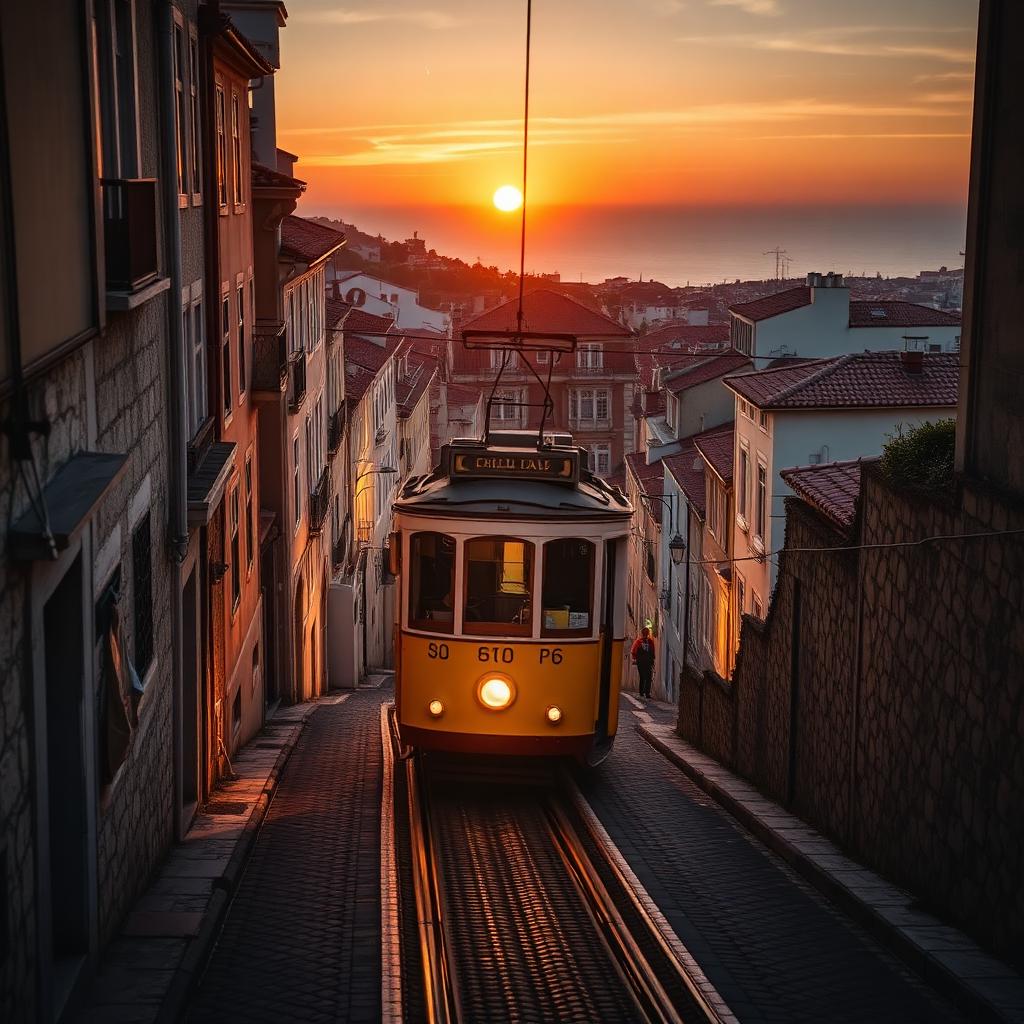
The 28 tram is famously touristy and famously worth doing exactly once, early morning, from the last stop rather than the popular one. The pastel de nata at Manteigaria (three locations) is better than the one at Belem - controversial in guidebooks, correct in practice. Book fado dinners at Mesa de Frades, Clube de Fado, or Sr. Fado for the real experience, not the tourist versions.
Sintra: the day-trip that requires planning
Sintra is one of the most spectacular day trips in Europe and one of the worst-managed. The Pena Palace, Quinta da Regaleira, and Monserrate are extraordinary; the crowds and the traffic in the tiny town center are punishing. Fix: arrive by 9 am (first train from Rossio), book the Pena Palace's earliest slot, walk down through the National Palace and into town for lunch by 1 pm, spend the afternoon at Quinta da Regaleira, and leave before 5 pm. Skip the tourist buses and use the 434 town bus or a taxi/Uber up the hills - the tuk-tuk touts are a scam.
Porto: the counterpoint
Porto is Lisbon's more industrial cousin and the argument-winning favorite of many repeat Portugal visitors. It is smaller (walkable in a day), grittier, more concentrated in its beauty (the Ribeira riverfront is Europe's most photogenic evening square). Stay three nights minimum. The classical program: cross the Dom Luis I bridge to Vila Nova de Gaia at sunset, tour a port lodge (Graham's or Taylor's for the classic experience; Kopke or Ferreira for the smaller ones), eat a francesinha (Cafe Santiago), and take at least one long walk through the tiled facades of the Baixa. The Serralves modern art museum and the Livraria Lello bookstore are both worth their own visits.
The Douro Valley: the trip's heart
The Douro Valley is Portugal's oldest demarcated wine region and one of Europe's most beautiful landscapes - terraced vineyards descending to the river along winding valleys. The two-day visit works several ways. Rent a car and drive from Porto (2.5 hours) to Pinhao, base in a quinta (wine estate hotel) for two nights, visit three producers over two days, take one Douro river cruise (2-3 hours from Regua). Alternatively, take the train from Porto's Sao Bento station to Pinhao - the train ride itself is one of Europe's great rail journeys, climbing along the river through the vineyards.
Book quintas well in advance in high season; the good ones (Quinta de la Rosa, Quinta do Crasto, Six Senses Douro Valley, Ventozelo) book out months ahead.
The Alentejo: the country that stayed slow
If Portugal has an interior soul, it lives in the Alentejo. Sprawling plains of cork oaks, whitewashed villages (Monsaraz, Marvao, Estremoz), and the small city of Evora with its Roman temple, Gothic cathedral, and bone chapel. This is the region for travelers looking to slow down further than Lisbon or Porto allow. Base in Evora for two nights or in a rural pousada (state-run heritage inn) for a more immersive experience. Combine with the coastal Comporta, which has transitioned from unknown fishing village to elegant coastal escape over the past decade.
The Algarve honest reappraisal
The Algarve is where Portugal meets mass tourism. Some of it is legitimately spectacular - the coves of Lagos and the beaches around Sagres are among Europe's most beautiful - and some of it is Faro's package-tour hotel strip that could be anywhere. If you go, base in Lagos or Sagres rather than Albufeira or Vilamoura, visit outside July and August, and rent a car to reach the smaller coves that avoid the crowds. Consider whether the Alentejo's Costa Vicentina coast (technically Alentejo, culturally coastal, dramatically less developed) suits your trip better.
Food, region by region
Portuguese food is criminally underrated in most international contexts. The essentials: bacalhau (salt cod, prepared 365 different ways), grilled sardines (a June-August specialty), francesinha in Porto, cataplana on the coast, alentejano pork and clams, and pastel de nata everywhere. The wine is exceptional and cheap - a €15 bottle at a restaurant in Portugal outclasses a €40 bottle in most other European countries. Vinho Verde in summer, Douro reds in winter, Alentejo whites all year.
The logistical layer
Lisbon and Porto are both connected to almost everywhere in Europe by cheap flights. The Alfa Pendular train between Lisbon and Porto (3 hours) is fast, comfortable, and the natural way to combine the two. Rent a car for the Douro Valley, Alentejo, and Algarve; skip the car in cities. Get a Viva Viagem card in Lisbon and an Andante card in Porto for public transport. Restaurants often close between 3 pm and 7 pm; plan lunches at 1 pm and dinners at 8 pm.
Learn ten words of Portuguese. English is widely spoken in tourist areas, less so in rural Portugal. Portuguese people appreciate the effort in a way that goes beyond simple politeness.
The value conversation, honestly
Portugal is no longer the value story it was in 2015. Lisbon in particular has moved firmly into mid-tier European pricing - expect €130-180/day for comfortable independent travel. Porto is slightly cheaper (€110-150/day). The Douro Valley and Alentejo remain excellent value. Rural Portugal is still remarkable value. What Portugal now offers is not lowest price but best price-to-experience ratio in Western Europe - the food, the scenery, and the atmosphere consistently exceed the cost. That is a real distinction and it is why travelers keep coming back.
Real destinations where this applies
- Lisbon - Four days; balance old neighborhoods with the new ones (Marvila, Anjos, Beato).
- Porto - Three days minimum; use as base for Douro; do not miss Vila Nova de Gaia at sunset.
- Pinhao, Douro Valley - Two nights at a quinta; the train ride from Porto is one of Europe's great rail journeys.
- Evora, Alentejo - Two nights; rent a car; visit Monsaraz and Estremoz on day trips.
Map
Travel tips
- •Book Sintra's Pena Palace for the first slot of the day.
- •Book Douro quintas 3+ months in advance in high season.
- •Take the Alfa Pendular train between Lisbon and Porto.
- •Skip the 28 tram in the afternoon; take it at 8 am from the last stop.
- •Eat pastel de nata at Manteigaria, not just Belem.
Common mistakes to avoid
- ✕Assuming Lisbon is still cheap.
- ✕Overbooking the Algarve at the expense of the interior.
- ✕Trying to see all of the country in a week.
- ✕Skipping the Douro Valley 'because we're not into wine.' The landscape alone is worth the trip.
- ✕Booking Sintra as a full day without an early start.
Frequently asked questions
Is Portugal still cheap?+
Cheaper than France, Italy, or the UK; more expensive than five years ago. Rural Portugal is still excellent value; Lisbon is now mid-tier.
How many days do I need in Portugal?+
10 nights minimum for the classical trip. 14 nights adds Alentejo depth. 7 nights forces you to choose Lisbon+Sintra or Porto+Douro but not both.
Is the Algarve worth it?+
Yes, but not in July or August, and not in Albufeira or Vilamoura. Lagos, Sagres, and the western Costa Vicentina are the coasts to prioritize.
Do I need to speak Portuguese?+
In tourist areas, no. In rural Portugal, learning ten words changes every interaction. It's the friendliest gesture you can make.
Ines is Portuguese, based in Lisbon, and runs IST World's Portugal desk. She has written about her country's tourism transformation for six years.