
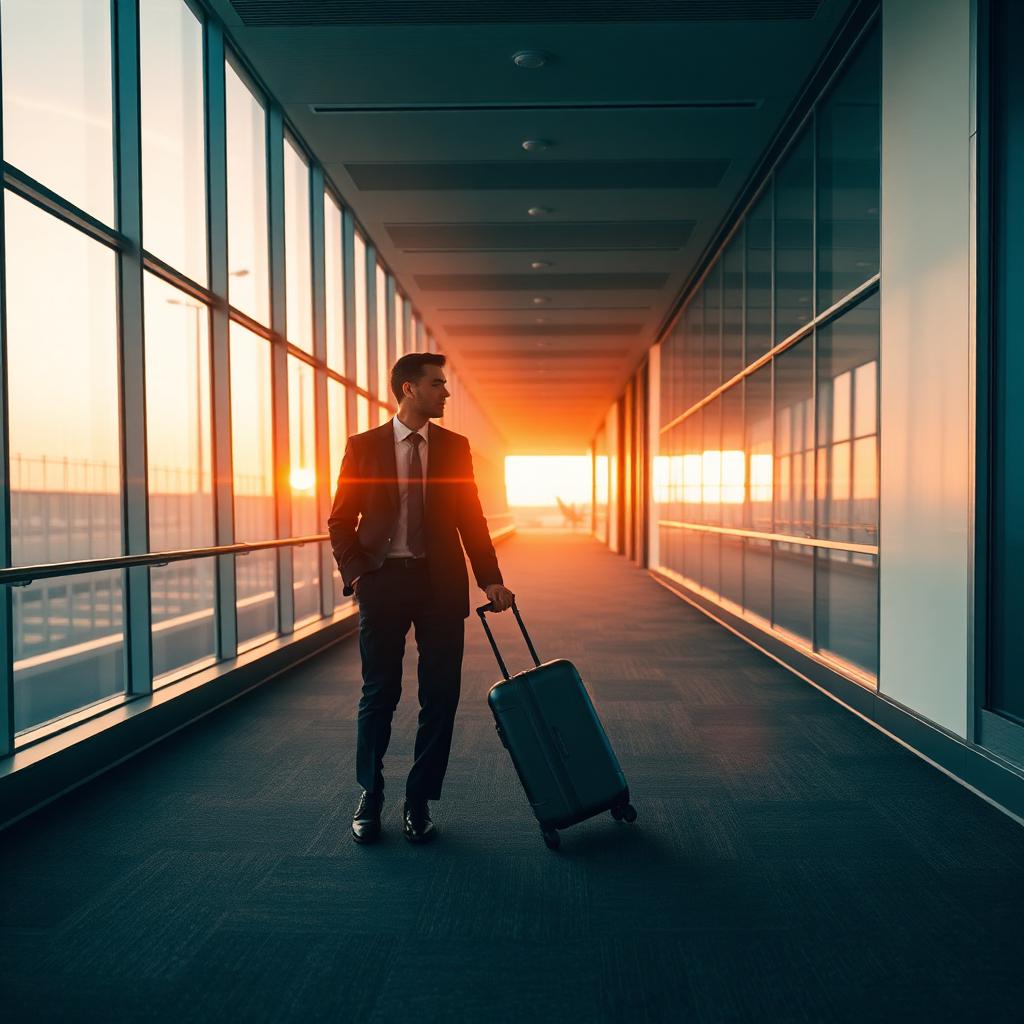
Business travel is not tourism with a different expense line. It is a repeat game where small habits accumulate - into elite status, into a functional body, into a marriage that survives the third quarter. The reason some road warriors seem to glide while others burn out is not luck. It is a small number of specific systems, applied consistently. This guide walks through the systems in the order they matter.
The one-airline, one-hotel rule
Pick one airline alliance and one hotel chain and route 80% of your travel through them. The individual trip may cost 5-10% more than the cheapest alternative. Over a year, you will earn status that unlocks free bag check, lounge access, upgrades, and - most importantly - priority rebooking when things go wrong. The math tips heavily toward loyalty for anyone traveling more than fifteen nights a year, and the rebooking priority alone is worth the entire premium.
The second habit is corollary: sign up for TSA PreCheck, Global Entry, and CLEAR (or your country's equivalents). The combined cost is under $200 for five years, and it will save you approximately 40 hours annually if you fly monthly. That is a working week per year, recovered.
The packing kit that lives packed
A road warrior does not pack. A road warrior maintains a bag. The kit consists of: a full toiletries set (never depleted from the home set), duplicate chargers for every device, one power bank, a compact travel steamer, and a set of travel-only clothing that lives in the closet already folded into the bag. On a Monday morning, you drop a suit or two into the bag, close it, and leave. This turns 45 minutes of pre-trip stress into 3 minutes.
Fly the same schedule, always
For flights you take repeatedly (a weekly out-and-back to a client site), book the same flight number every week. The advantages compound: crews recognize you, you know exact TSA times, you know which gate the aircraft usually parks at, you develop a personal 'best seat' for that specific aircraft type. Random optimization on each trip costs more mental energy than a slightly-worse-on-paper repeat booking.
The hotel routine
Ask for a room on the second or third floor, away from the elevator and ice machine. Set two alarms. Unpack the toiletries kit but not the rest of the bag; the bag lives on the luggage rack, ready to go. Order breakfast from room service or eat in the lounge (if status permits) rather than a hotel restaurant; you'll save 20-30 minutes each morning. Repeat this routine at every hotel and jet lag matters less because your body recognizes the ritual.
Physical maintenance on the road
The single largest cost of business travel is health. Sleep, exercise, and hydration collapse in that order if you don't defend them. Book flights that let you sleep at destination bedtime; avoid the 6 am departure that saves $80 and costs a night of sleep. Every hotel you stay at should have a functional gym or a jog-safe area outside; screen for this at booking. Drink 500ml of water for every flight hour and 250ml on top of any coffee. This is not optimization; it is baseline survival for anyone flying twice a month for years.
Pack real running shoes and use them. Twenty minutes of aerobic exercise most days is the difference between a career of business travel and a career-ending back injury.
Managing the calendar from the road
Do not schedule meetings for the two hours after landing. You will land tired, hungry, and out of phone battery. Instead, block that window as travel buffer. Do not schedule meetings for the last hour before departure either; flights delay, security lines swell. Buffer both ends of every travel day and the whole month runs smoother. Trip productivity is measured by what you did on Day 2 and Day 3, not by how many meetings you crammed into Day 1.
Working through the flight
Long flights are the best deep-work environment most road warriors ever get: no meetings, no interruptions, no home distractions. Prepare accordingly. Bring one document you must produce (a strategy memo, a board presentation, a difficult email draft) and do not open a laptop until you're at cruising altitude. Two hours of focused writing on a long-haul is worth six hours in a coffee shop at home. The trick is to write, not to consume - reading or watching burns the same hours with none of the compounding value.
Expense discipline
The receipts you don't submit are the money you personally lose. Snap every receipt with a receipt app the moment you receive it - Expensify, Ramp, or your company's tool. Never carry a wallet of paper receipts home; they get lost. A photo taken at the restaurant table is guaranteed submission. Ten seconds of discipline in the moment saves an hour of receipt archaeology on Sunday night.
Managing relationships at home
The single most important sentence for business travelers with families is this: schedule the calls, don't wait for them. A ten-minute video call at 6 pm destination time (before dinner, before phone battery dies) is worth an hour of catch-up on Saturday. It is a small, consistent habit. Missing three of them in a row is the small failure that scales into a big one over a career.
Bring back one specific small thing from every city - not a souvenir shop tchotchke, but something you noticed. A book from a shop in Kyoto. A specific chocolate from Zurich. A postcard from a neighborhood you liked. It signals to the people at home that the trip was not just work, and it makes your travel a shared experience rather than a solo absence.
The status conversation
Elite airline and hotel status is the single most-underestimated compensation of business travel. A Silver-tier airline member has access to lounges, free bags, priority boarding, and priority rebooking. A Gold-tier hotel member gets upgrades, late checkout, and free breakfast - the last of which alone is worth $30 a day. If your company doesn't force you into cheapest-fare-only booking, use one airline and one hotel chain until you hit their top tier, and then never look back.
When to say no to a trip
Not every meeting requires a plane. The three-hour flight for a 45-minute meeting is a bad trade almost every time; the video-call era proved this. Push back on trips that could be video calls; take trips that require handshakes, whiteboards, or client relationships that video can't build. Being disciplined here is what turns business travel from a taxing default into a strategic tool.
The Sunday-night reset
Every Sunday night, look at the coming week's travel. Confirm every flight and hotel. Check the weather at each destination. Confirm any ground transportation. Repack the bag. Set out clothes for Monday morning. This ten-minute ritual is what turns a week of travel from a low-grade anxiety hum into a series of executed appointments. Everything downstream is downstream of Sunday night.
Real destinations where this applies
- Singapore - The world's best transit hub - Changi's ground time is a pleasure rather than a punishment.
- Frankfurt, Germany - Europe's most-connected corporate hub; the Frankfurt-Airport Sheraton is the archetypal 'sleep on the layover' hotel.
- Dubai, UAE - Long-haul hinge point for anyone with clients across three continents; the airport lounges are the office you did not know you needed.
- Chicago, USA - O'Hare's status-holder shortcuts are what make the domestic hub-and-spoke life livable.
Map
Travel tips
- •Book the same flight number every week when possible.
- •Never check a bag unless the airline forces you to.
- •Sign up for Global Entry the same month you take your first international business trip.
- •Keep one 'lounge outfit' in the bag - a soft change of clothes for long layovers.
- •Never schedule a meeting in the 60 minutes after landing.
Common mistakes to avoid
- ✕Chasing cheapest fare instead of accumulating status.
- ✕Booking a 6 am flight to save an evening - losing an entire day to sleep debt.
- ✕Skipping the hotel gym for three weeks in a row.
- ✕Not photographing receipts in the moment.
- ✕Treating every meeting as travel-worthy - some are calls in disguise.
Frequently asked questions
Is loyalty to one airline really worth it?+
For anyone flying more than 15 nights a year, yes. The compound value of status (free bags, upgrades, rebooking priority, lounges) usually exceeds the marginal cost of loyalty within the first year.
How do I sleep on planes?+
Bulkhead or window seat, noise-cancelling headphones, eye mask, one melatonin 30 minutes before target sleep time, no alcohol. If you're over 6 feet, business class is not luxury on long-haul; it is functional infrastructure.
What's the best carry-on for business travel?+
A 40L soft-sided rolling bag with a laptop sleeve and a full external front pocket. Away, Briggs & Riley, and Tumi all make credible versions; the specific brand matters less than never having to check the bag.
How do I stop hating business travel?+
Reduce cognitive load by systematizing everything you can (bag, hotel, airline) and defending sleep and exercise. Most 'burnout' is unmanaged fatigue, not the travel itself.
Marcus is a former airline operations manager and has flown over 2.4 million miles as a corporate consultant. He now writes IST World's business-travel column from Chicago and Singapore.